



 Men
 Women
 Couples
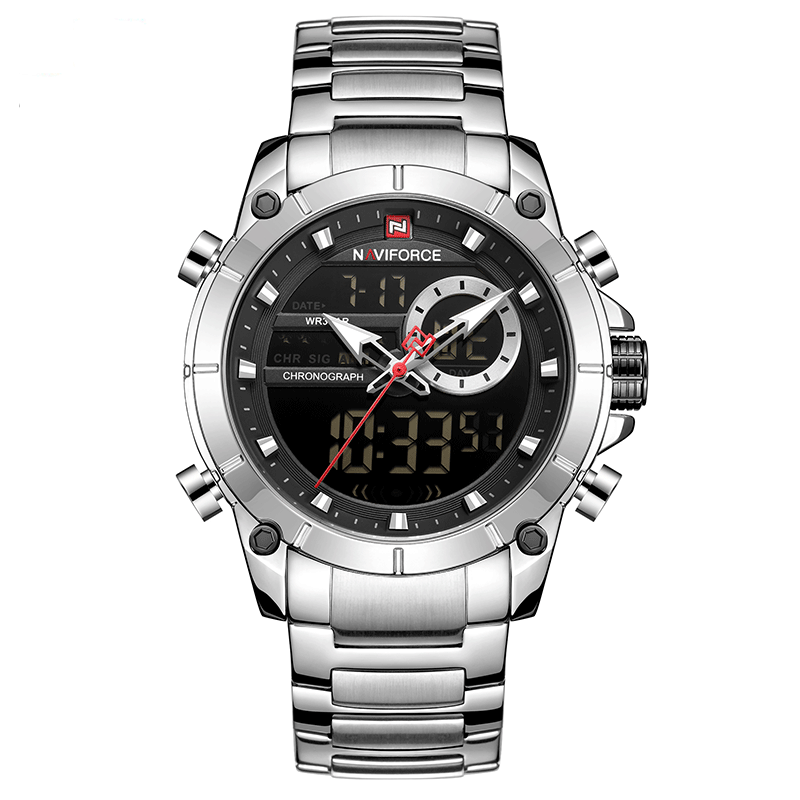 Digital Watch
 Quartz Standard Watch
 Quartz Calendar Watch
 Quartz
 Quartz Multi-Function Watch
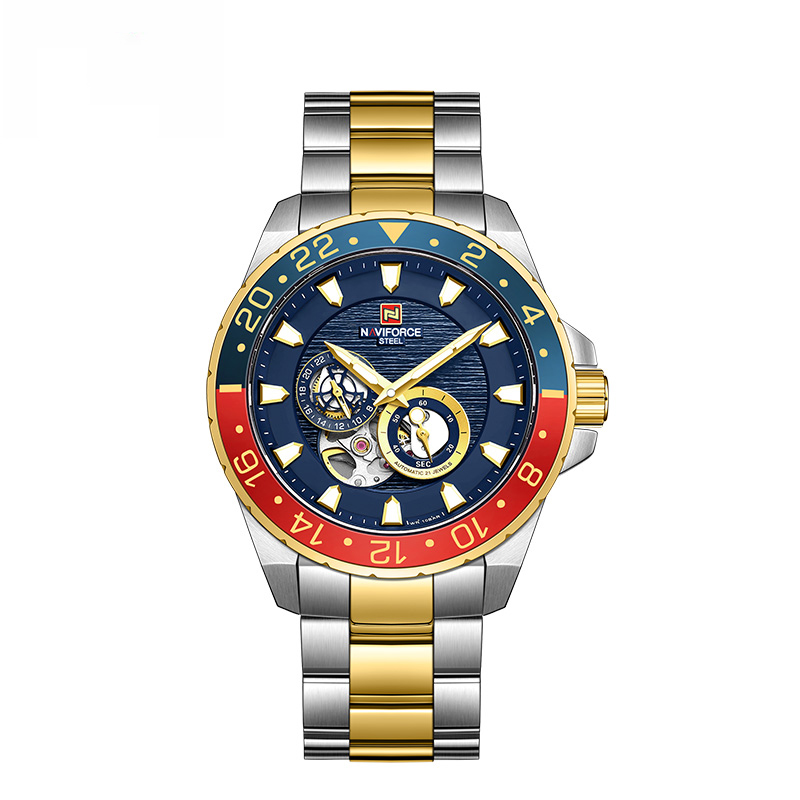 Automatic Mechanical Watch
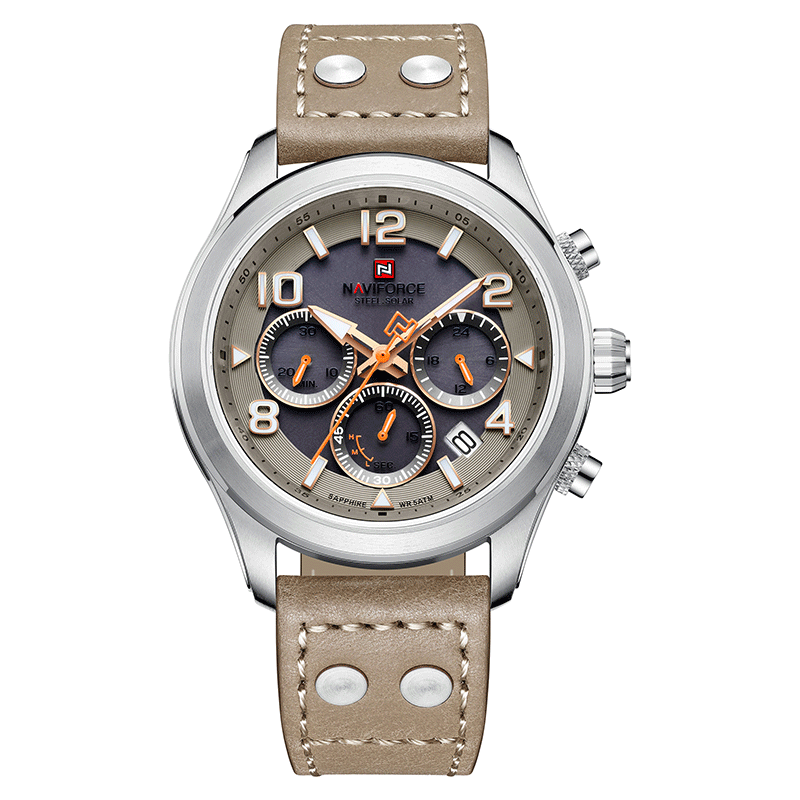 Solar-Powered Watch
 Smart Watch

For watch wholesalers, retailers, distributors, and emerging watch brands, private label manufacturing is an effective way to build a product line under their own brand identity. Instead of selling watches with generic branding, buyers can work with a wholesale watch factory to add their company logo, brand name, or custom artwork to selected parts of the product.
But can a wholesale watch factory print your private label logo directly onto a watch? In most cases, yes. Depending on the watch model, materials, and customization requirements, a manufacturer may offer logo printing, laser engraving, embossing, or other branding methods.
The available options are not limited to the watch dial. Buyers may also explore branding on the caseback, buckle, strap, watch box, and other packaging materials.
This guide explains common private label logo customization methods, where logos can be applied, how to prepare artwork, and what wholesale buyers should confirm before starting production.

What Is Private Label Logo Customization in Watch Manufacturing?
Private label watch manufacturing means producing watches under a buyer’s own brand name rather than selling them solely under the manufacturer’s brand.
The buyer selects an existing watch model or discusses a customized design, then works with the manufacturer to apply the required branding.
A private label watch project may include:
- Brand logo or name on the dial.
- Logo engraving on the caseback.
- Branding on the buckle or clasp.
- Logo details on compatible watch straps.
- Custom watch boxes and packaging.
- Branded instruction manuals, warranty cards, and labels.
The level of customization depends on the selected model and production requirements.
For new brands, starting with an existing watch design and adding a logo can be a practical way to introduce a branded collection without developing an entirely new watch.
Where Can a Private Label Logo Be Applied on a Watch?
A watch has several visible and functional components that may be considered for branding. However, not every location supports the same application method.

Logo on the Watch Dial
The dial is one of the most visible locations for a brand logo. It allows customers to recognize the brand whenever they check the time.
Common dial branding options include:
Printed Logo: The brand name or graphic is printed directly onto the dial surface. This is a common approach for private label projects using existing watch models.
Metal Applied Logo: A separately manufactured metal logo is attached to the dial, creating a raised appearance. It can provide more depth than flat printing, but requires additional component and assembly considerations.
Custom Logo Color: Buyers can discuss different logo colors to match the dial background, markers, hands, and overall product design.
Logo Positioning: Common positions include below the 12 o’clock marker, above the 6 o’clock area, or another suitable position depending on the dial layout.
Before confirming a design, the manufacturer should check the available printing area, logo dimensions, dial texture, and surrounding markers. A logo that is too large may affect readability or make the dial look crowded.
Logo on the Caseback
The caseback provides another practical location for private label branding.
Unlike dial printing, caseback logos are often applied through engraving or marking methods, depending on the material and surface finish.
Possible details include:
- Brand name or logo.
- Company information.
- Model identification.
- Special edition text.
- Serial numbers or selected product markings.
Caseback branding is particularly useful when buyers want to keep the front dial clean and minimalist while still identifying their brand on the watch.
The selected method must be compatible with the caseback material and construction. Any changes should also be reviewed to avoid affecting the sealing structure.
Logo on the Buckle or Clasp
For watches with metal buckles or bracelet clasps, buyers may consider adding a small brand mark.
Possible approaches include laser marking, engraving, or other suitable surface treatments.
The available branding area is usually limited, so simple logos and clear lettering tend to work better than highly detailed artwork.
Buyers should confirm the buckle or clasp design before preparing the final logo layout.
Logo on the Watch Strap
Strap branding depends heavily on the material.
Leather Straps: Embossing or debossing can create a raised or recessed logo on compatible leather surfaces. Printing may also be considered for selected strap constructions.
Silicone or Fumed Silica Straps: Printing or molded branding may be possible depending on the material formulation and strap design.
Nylon or Fabric Straps: Selected printing, woven labels, or other branding methods may be considered according to the strap construction.
Metal Bracelets: Branding is generally more suitable for compatible buckle, clasp, or selected metal components rather than the flexible bracelet links themselves.
Not every strap material supports every branding technique. Buyers should confirm the method with the manufacturer before finalizing their design.
Logo on Watch Boxes and Packaging
Private label branding should not stop at the watch itself.
Custom packaging helps maintain a consistent brand identity when the product reaches retailers or end customers.
Possible packaging options include:
- Printed logos on watch boxes.
- Branded outer sleeves.
- Custom warranty cards.
- Printed instruction manuals.
- Hang tags and product labels.
- Barcode or SKU labels.
For online sellers and retail distributors, coordinated packaging can make the product easier to identify, display, and organize.
Common Logo Application Methods Used in Watch Manufacturing
Different logo application methods create different visual effects. The right choice depends on the target product style, material, artwork complexity, and production budget.
| Logo method | Typical application | Main characteristics |
|---|---|---|
| Pad or screen printing | Watch dial and selected surfaces | Suitable for printed text, symbols, and selected color designs |
| UV printing | Compatible flat or suitable surfaces | Can reproduce detailed artwork and selected color combinations |
| Laser engraving | Metal caseback, buckle, and compatible components | Creates a permanent engraved or marked effect |
| Mechanical engraving | Compatible metal surfaces | Removes material to form engraved details |
| Embossing or debossing | Compatible leather straps and packaging | Creates raised or recessed branding |
| Applied metal logo | Watch dial and selected components | Adds a dimensional appearance |
Pad Printing and Screen Printing
Printing is commonly considered when buyers want to apply a logo directly to a watch dial.
Pad printing uses a transfer process to apply an image onto a surface. It can be useful for small logo details and selected curved or uneven surfaces, depending on the printing setup.
Screen printing uses a screen to transfer ink onto a suitable surface. It is commonly considered for designs with defined color areas and suitable production conditions.
The choice depends on the dial material, surface shape, artwork, ink requirements, and production volume.
UV Printing
UV printing uses ultraviolet light to cure ink during the printing process.
It may be suitable for selected full-color graphics, text, and decorative designs on compatible surfaces.
However, it is not automatically the best option for every watch dial. Buyers should confirm surface compatibility, print resolution, adhesion, and durability requirements with the manufacturer.
Laser Engraving
Laser engraving uses a focused laser to mark or process a compatible surface.
It is often considered for metal casebacks, buckles, and selected metal components.
Compared with printing, engraving creates a different surface effect and is not restricted to applying colored ink. The final appearance depends on the material, coating, laser settings, and design.
Embossing and Debossing
Embossing creates a raised logo, while debossing creates a recessed impression.
These methods are often considered for compatible leather straps and packaging materials.
They can create a subtle brand detail without requiring a printed color logo. However, the material thickness, surface texture, and logo complexity need to be considered.

How to Prepare Your Logo Files for Custom Watch Manufacturing?
Providing a suitable logo file helps the factory review the design and prepare it for production.
For wholesale buyers, the following information is useful.
Provide a High-Quality Logo File
Vector artwork is generally preferred for production preparation because it allows the logo to be resized without losing its original shape.
Common file formats include:
- AI (Adobe Illustrator).
- EPS.
- SVG.
- Editable PDF.
High-resolution PNG files may also be useful for visual reference, but a low-resolution image or screenshot may not provide enough detail for precise production artwork.
If the logo contains very small text, thin lines, or intricate patterns, the manufacturer may recommend adjustments before sampling.
Confirm Logo Size and Placement
The logo should be prepared according to the actual component dimensions.
For a watch dial, buyers should consider:
- Available space between the hour markers.
- Distance from the hands and center shaft.
- Logo width and height.
- Position relative to the 12 o’clock marker.
- Visibility against the dial background.
For a caseback or buckle, the available surface area and shape also affect the final layout.
It is better to confirm the placement on a model-specific design preview rather than relying only on a general logo image.
Specify Brand Colors
If the logo uses specific brand colors, buyers should provide clear color references.
Pantone references or other agreed color specifications can help communicate the intended appearance.
However, the final result may vary according to the printing process, surface material, background color, and production conditions. A physical sample is the best way to review the actual color effect.
Provide Branding Requirements for Each Component
If the buyer wants branding in multiple locations, each application should be specified separately.
For example:
- Dial: printed logo in one color.
- Caseback: engraved brand name.
- Buckle: small logo marking.
- Packaging: full-color printed brand artwork.
This helps the manufacturer evaluate the appropriate method, artwork preparation, cost, and production requirements for each component.
What Is the Difference Between Logo Printing and Logo Engraving?
Buyers sometimes use the term “logo printing” to describe all forms of watch branding. However, printing and engraving are different processes.
| Comparison | Logo printing | Logo engraving |
|---|---|---|
| Application | Transfers ink or printed artwork to a surface | Marks or removes material from a surface |
| Typical appearance | Flat, colored graphic | Engraved or marked surface |
| Color options | Depends on ink and process | Depends on material and finishing |
| Common applications | Dial and compatible surfaces | Metal caseback, buckle, and selected components |
| Design suitability | Text, symbols, and selected graphics | Logos, lettering, and selected line artwork |
Printing is often a practical choice for visible dial branding, especially when the logo requires a specific color.
Engraving is often considered for metal components where buyers prefer a marked rather than printed appearance.
Some private label projects use both methods to create a consistent brand identity across the watch.
What Affects the Cost of Private Label Logo Printing?
Adding a logo to an existing watch model is generally less complex than developing a completely new watch design. However, the final cost depends on several factors.
Logo Application Method
Different techniques require different production preparation and equipment.
A simple printed logo may have different setup requirements from a metal applied logo, laser engraving, or custom embossing.
The artwork’s size, number of colors, and complexity can also affect the quotation.
Number of Branding Locations
Applying a logo to one location is different from branding the dial, caseback, buckle, strap, and packaging together.
Each additional component may require separate artwork preparation, setup, processing, and inspection.
Material and Component Structure
The same logo design may require different methods when applied to different materials.
For example, printing on a dial, marking a stainless steel caseback, and embossing a leather strap involve different technical considerations.
Order Quantity
Order quantity influences production planning and how setup costs are distributed across the order.
A larger order may make certain customization methods more commercially practical. However, the actual price advantage depends on the production process and the number of customized components.
Sample Development
Before bulk production, buyers should review a sample to confirm the logo’s position, size, color, and finish.
If the artwork or placement changes after sample approval, additional preparation or sampling may be required.
What Is the MOQ for Private Label Logo Watches?
The minimum order quantity for private label watches is not the same across all factories or customization projects.
It depends on the selected watch model, logo application method, materials, production setup, packaging requirements, and order quantity.
For example:
- Adding a printed logo to an existing model may have different requirements from developing a new dial.
- Caseback engraving may involve different preparation from multi-color dial printing.
- Custom straps or packaging may have separate production requirements.
- Multiple colors or model variations may affect order planning.
For NAVIFORCE OEM projects, the MOQ starts at 500 pieces, subject to the selected model and customization requirements.
Buyers should confirm whether the MOQ applies to each model, color, or specification in their quotation rather than assuming different variations can always be combined.
How Does the Private Label Watch Logo Customization Process Work?
A clear process helps buyers avoid artwork mistakes and production misunderstandings.
Share Your Brand and Product Requirements
Start by providing the manufacturer with:
- Your company or brand name.
- Logo artwork.
- Preferred watch models.
- Desired logo locations.
- Preferred application methods, if known.
- Estimated order quantity.
- Target unit price.
- Packaging requirements.
If you do not know which logo method is suitable, reference images can help the manufacturer understand your expectations.
Review the Customization Proposal
The manufacturer evaluates the selected model and checks which branding options are compatible.
The proposal should clarify:
- Logo placement and dimensions.
- Application method.
- Artwork requirements.
- Additional customization costs.
- MOQ.
- Sample and production arrangements.
At this stage, buyers should confirm the exact specifications instead of relying on a general statement that the factory can print logos.
Approve the Logo Artwork and Sample
Before mass production, buyers should review the artwork and sample carefully.
Important details include:
- Correct spelling and brand name.
- Logo size and alignment.
- Color accuracy.
- Printing clarity.
- Engraving depth or marking appearance.
- Strap and buckle branding.
- Packaging consistency.
Any corrections should be confirmed before the production specification is finalized.
Mass Production and Quality Inspection
After sample confirmation, production follows the approved specifications.
Quality inspection should cover both the watch itself and its branding details.
For example, inspection can include logo position, printing clarity, color consistency, surface finish, component assembly, watch functions, and packaging condition.
A well-organized quality control process helps identify problems at different stages rather than relying only on the final inspection.
How Does NAVIFORCE Support Private Label Watch Projects?
Guangzhou NAVIFORCE Watch Co., Ltd. was established in 2012 and has manufacturing operations in Foshan, Guangdong, China.
With a 5,000-square-meter factory, more than 200 employees, and over 1,000 watch models, NAVIFORCE supplies watch products to business partners in more than 100 countries and regions.
Its product range includes quartz, digital, solar-powered, and mechanical watches, covering military-inspired, sport, casual, and classic styles.
For wholesalers, distributors, retailers, and private label brands, NAVIFORCE can discuss suitable OEM and ODM options based on the selected model and project requirements.
Private label branding requirements can be evaluated according to the product structure and manufacturing feasibility. Buyers may discuss suitable logo placement and application options for the dial, caseback, and other compatible components.
Before mass production, samples are confirmed with the buyer. Quality inspection is carried out through three stages:
IQC (Incoming Quality Control): Incoming materials and components are inspected before production.
PQC (Process Quality Control): Checks are performed during manufacturing and assembly.
FQC (Final Quality Control): Completed watches are inspected before delivery.
NAVIFORCE OEM projects start at 500 pieces, with the final MOQ depending on the selected model and customization requirements.
For new brands and wholesale buyers, starting with an existing NAVIFORCE model and adding suitable brand details can be a practical way to develop a private label collection.
Frequently Asked Questions About Private Label Watch Logo Printing
Can a wholesale watch factory print my company logo on a watch?
Yes. Many wholesale watch manufacturers offer private label branding options. Depending on the model and production requirements, a logo may be printed on the dial or applied to other compatible components through engraving, marking, or other methods.
Can I put my logo on the watch dial and caseback at the same time?
This may be possible depending on the selected model and the available customization options. Buyers should confirm the application methods, artwork, and additional costs for each location.
What file format should I provide for my watch logo?
Vector formats such as AI, EPS, SVG, and editable PDF are generally preferred. High-resolution image files may also be accepted for reference, but the factory should confirm whether they are suitable for production.
Can I choose the logo color and size?
In many projects, buyers can specify the logo color, size, and position. The final design must be compatible with the dial or component dimensions and the selected application method.
Can I customize the watch packaging with my own brand?
Custom packaging can be discussed as part of a private label project. Options may include branded watch boxes, printed sleeves, warranty cards, instruction manuals, and product labels, subject to the factory’s available services and order requirements.
Is logo printing available on every watch model?
Not necessarily. The available printing area, dial material, surface finish, case structure, and production process can affect customization options. Buyers should confirm the selected model before placing an order.
What is the MOQ for private label logo watches at NAVIFORCE?
NAVIFORCE OEM projects start at 500 pieces. The final MOQ depends on the model, customization scope, and production requirements. Buyers should confirm the quantity for their specific project.
Do I need to develop a completely new watch to use my own logo?
No. Many private label projects begin with an existing watch model. Buyers can discuss suitable logo and branding options without developing a completely new case or movement.
Start Your Private Label Watch Project with NAVIFORCE
Building a private label watch collection does not always require a completely new product design. For many wholesale buyers, selecting a suitable existing model and adding consistent brand details is a practical starting point.
Prepare your logo artwork, preferred watch models, branding locations, estimated order quantity, and packaging requirements. These details will help the manufacturer evaluate the project and provide a more accurate proposal.
Contact NAVIFORCE to discuss wholesale watch sourcing, private label logo customization, OEM/ODM options, and sample confirmation.

Reasons for choosing NAVIFORCE:
- 10+ Years Watch Manufacturing
- 1000+ Wholesale Clients
- OEM & Private Label Expert
- Global Shipping Support
- Modern watch designs built for global buyers. Low MOQ, custom branding, fast production.
Welcome to our website:
NAVIFORCE Brand Website: https://www.naviforce.com/
NAVIFORCE Shopify Store: https://the-naviforce.com/
Post time: Nov-04-2026


