



 Men
 Women
 Couples
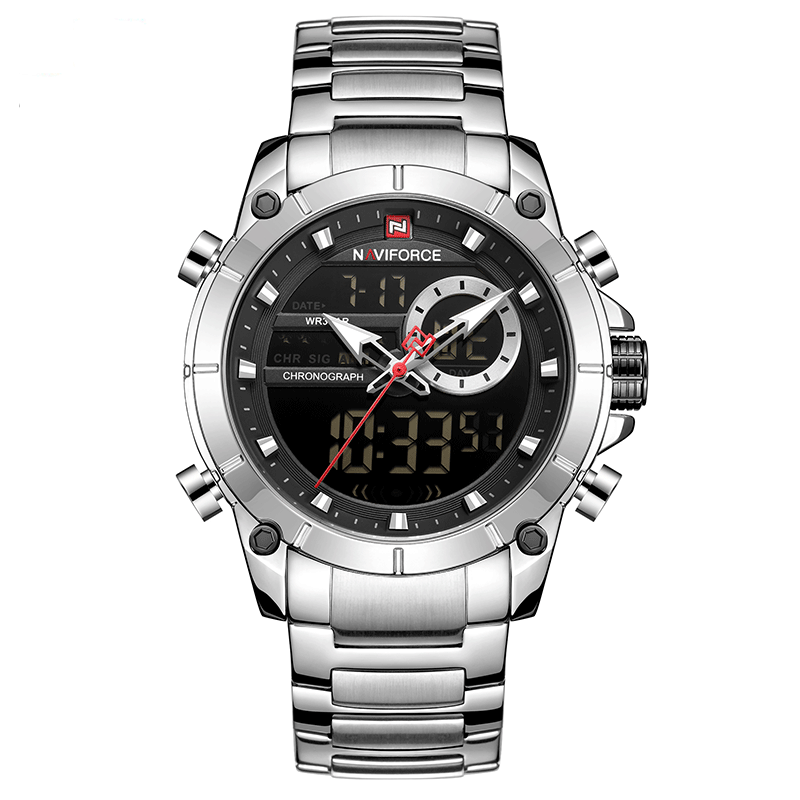 Digital Watch
 Quartz Standard Watch
 Quartz Calendar Watch
 Quartz
 Quartz Multi-Function Watch
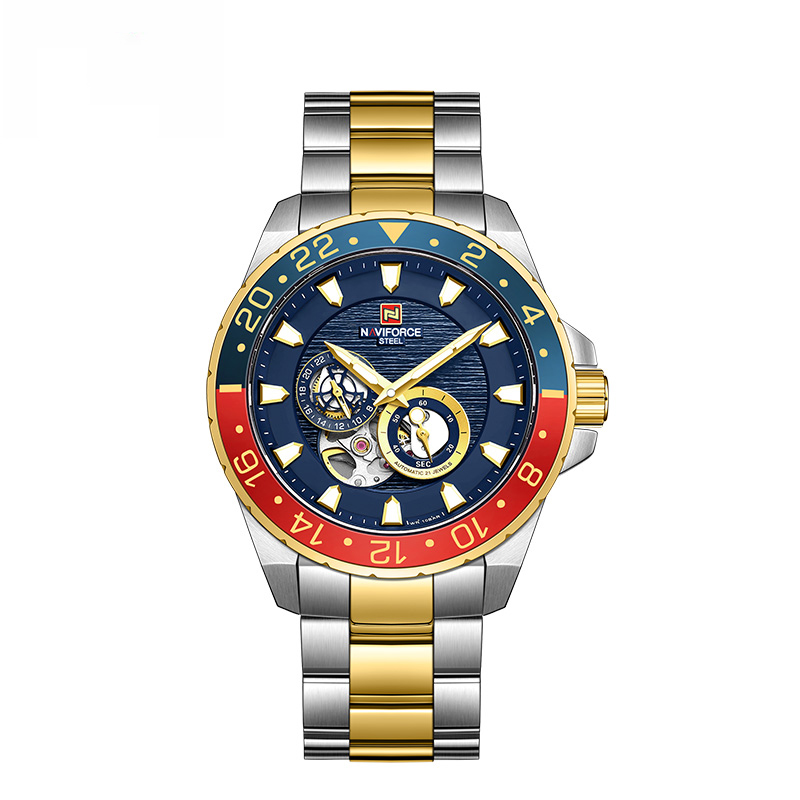 Automatic Mechanical Watch
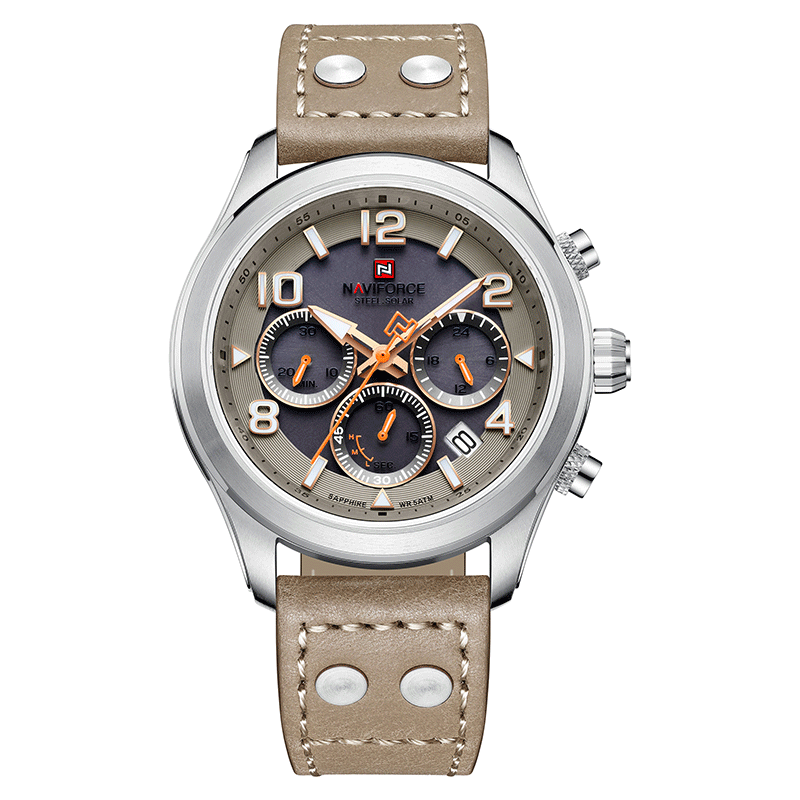 Solar-Powered Watch
 Smart Watch


Developing a custom watch involves more than selecting a color, adding a logo, or changing the strap. For brands, wholesalers, and retailers looking to build a distinctive product line, dial and case design are two important areas that influence a watch’s appearance, construction, production cost, and market positioning.
Can a wholesale watch factory customize both components? Yes. Depending on its manufacturing capabilities, a watch manufacturer may support anything from modifying an existing model to developing a new dial or case structure based on a buyer’s design requirements.
However, the scope of customization, minimum order quantity (MOQ), development cost, and production schedule can vary considerably between projects.
This guide explains what can be customized on a watch dial and case, how technical compatibility affects development, and what buyers should prepare before working with an OEM or ODM watch manufacturer.

What Can Be Customized on a Watch Dial?
The dial is one of the most visible elements of a watch. Its color, surface finish, markers, hands, and layout all contribute to the product’s overall identity.
For wholesale buyers, dial customization can be a practical way to create a recognizable product without necessarily developing an entirely new watch case.
Dial Colors and Surface Finishes
Color selection is often the starting point of a custom dial project. Buyers can explore different colors according to their target customers and product positioning.
Common options include:
- Black, white, silver, and blue for versatile everyday collections.
- Green, brown, and champagne for more distinctive designs.
- Rose gold and gold-tone finishes for fashion-oriented collections.
- Two-tone combinations for additional visual contrast.
Surface finishing also changes how a dial looks under different lighting conditions.
Sunray Brushing: A radial brushed pattern that reflects light from different angles. It is commonly used in dress, casual, and fashion watches.
Matte Finishing: A low-reflection surface that creates a clean, understated appearance. It works well for minimalist and everyday designs.
Metallic Finishing: A reflective surface that gives the dial a brighter, more prominent appearance.
Textured Patterns: Repeating patterns or decorative surfaces that add visual detail without changing the overall dial layout.
The appropriate finish depends on the dial material, production method, design complexity, and target price.
Hour Markers, Numerals, and Logo Application
Hour markers and numerals help establish a watch’s visual character while maintaining readability.

Common customization options include:
- Printed Arabic or Roman numerals.
- Applied metal hour indexes.
- Luminous markers for visibility in low-light conditions.
- Customized minute tracks and scale markings.
- Different marker shapes, sizes, and finishes.
Brand logos can also be incorporated through printing, applied metal elements, or other suitable processes.
For private label brands, logo placement should be considered together with the dial layout. The logo must remain visible without interfering with the hands, markers, date window, or other functional elements.
Hands and Dial Layout
Watch hands are another important design component. Buyers may choose different hand shapes, lengths, colors, and finishes to match the dial.
Examples include:
- Straight hands for minimalist designs.
- Sword-shaped hands for a more defined appearance.
- Broad hands for sport-inspired watches.
- Luminous hands for improved low-light readability.
- Contrasting hand colors to improve visual separation.
The hand design must also match the movement and dial dimensions. Hand length, mounting specifications, clearance, and height need to be checked before production.
Dial layout can also be adjusted according to the intended watch functions. A simple three-hand watch, a calendar watch, a multifunction model, and an analog-digital watch all require different component arrangements.
Multi-Layer and Decorative Dial Structures
For brands looking to develop a more distinctive product, a multi-layer dial can create depth through different surface levels and component positions.
Possible design elements include:
- Raised hour markers.
- Recessed or layered dial sections.
- Decorative sub-dials.
- Patterned backgrounds.
- Separate date or function windows.
These details can make a watch look more sophisticated, but they also introduce additional requirements for component thickness, hand clearance, and assembly.
A factory should evaluate the design as a complete structure rather than treating each decorative element as an independent component.
What Can Be Customized on a Watch Case?
The watch case protects the internal components and determines much of the product’s external shape, proportions, and wearing experience.
Unlike changing a dial color, modifying a case can involve structural adjustments, component compatibility, and potentially new tooling.

Case Shape and Dimensions
Watch cases are available in many shapes, including:
- Round cases for classic, business, and everyday watches.
- Square cases for geometric and contemporary designs.
- Rectangular cases for dress-oriented collections.
- Tonneau cases for distinctive fashion designs.
- Octagonal and other geometric cases for sport-inspired collections.
Buyers can also discuss dimensional adjustments, such as:
Case Diameter: The width of the case, usually measured across its main body without including the crown.
Case Thickness: The vertical dimension of the case, which affects the watch’s overall profile.
Lug-to-Lug Length: The distance between the outermost ends of the lugs. It helps determine how the watch sits on the wrist.
Lug Width: The distance between the lugs where a compatible strap or bracelet attaches.
These measurements should be considered together. A larger case diameter does not automatically mean a better fit, and changes to the lug-to-lug length can affect wearing comfort.
Case Materials and Surface Treatments
The choice of case material influences appearance, weight, processing requirements, and product cost.
Common watch case materials include:
Zinc Alloy: Used in many fashion and everyday watches. It allows a range of case shapes and decorative finishes.
Stainless Steel: A common choice for watches positioned around durability and long-term everyday use. Different grades and finishing methods can be considered according to the project.
Polycarbonate: A lightweight plastic material often used in sport-inspired and casual watch designs.
The case surface can also be finished in different ways:
- Polished surfaces for a brighter, reflective appearance.
- Brushed surfaces for a directional metal texture.
- Matte finishes for a more understated look.
- Two-tone finishes combining different colors or treatments.
The selected material and finishing method should be evaluated together because not every surface treatment is suitable for every case construction.
Bezel, Crown, Lugs, and Caseback
Smaller structural components can have a considerable effect on the overall design.
Bezel: Buyers may explore different bezel shapes, colors, markings, and decorative details. The bezel design must remain compatible with the crystal and case structure.
Crown: Crown size, shape, position, and finishing can be adjusted within the limitations of the movement and case architecture.
Lugs: Lug shape and dimensions affect the connection between the case and strap. They also influence the watch’s overall proportions.
Caseback: Buyers may discuss different caseback appearances, materials, and construction methods, depending on the movement and product requirements.
Changes to these components should be reviewed from both an appearance and engineering perspective.
Existing Case Modification vs. New Case Development
One of the first decisions buyers need to make is whether to modify an existing watch case or develop a completely new structure.
These approaches have different cost implications, technical requirements, and development complexity.

| Development approach | Typical modifications | Project considerations |
|---|---|---|
| Existing case modification | Dial color, logo, hands, markers, selected finishes | Usually a more practical starting point |
| Partial case customization | Selected dimensions, bezel details, crown or case appearance | Requires compatibility and feasibility checks |
| New case development | New case shape, dimensions, and structural design | May require engineering work and new tooling |
Modifying an Existing Watch Model
Using an existing model as a starting point can reduce development complexity.
For example, a buyer may select an existing watch case and customize the dial color, logo, markers, hands, or compatible strap options.
This approach is suitable for wholesalers and emerging brands that want to establish a recognizable product identity without committing to a completely new case design.
However, not every structural feature can be changed without affecting the original case construction.
Developing a Completely New Watch Case
A new case project is more suitable when a brand has a specific design concept that cannot be achieved through existing models.
The development process may involve:
- Reviewing design drawings and reference samples.
- Evaluating case dimensions and internal space.
- Checking movement and dial compatibility.
- Assessing material and manufacturing requirements.
- Evaluating tooling and development costs.
- Producing and reviewing prototypes.
A new case design may require additional investment and a higher production commitment. Buyers should discuss tooling costs, ownership, future use, and technical drawing rights in writing before development begins.
Why Technical Compatibility Matters in Custom Watch Manufacturing?
A watch is an assembled product. The dial, movement, hands, case, crystal, crown, and caseback must work together.
A design may look suitable in a drawing but still require structural adjustments before it can be manufactured.

Movement and Dial Compatibility
The movement determines important dimensions and functional requirements inside the watch.
For example, the dial must be compatible with the movement’s mounting structure, dial feet positions, hand shafts, and functional layout.
If a buyer wants to add a date window, multifunction sub-dials, or an analog-digital display, the movement must support the required functions.
Changing the dial appearance without checking these details can create assembly problems.
Hand Clearance and Internal Space
Watch hands move at different heights above the dial. Their lengths and positions must allow sufficient clearance between the hands, dial, and crystal.
Multi-layer dials require particular attention because additional layers can reduce the available internal space.
The case thickness and crystal position must also accommodate the complete assembly.
Crown Position and Case Structure
The crown connects to the movement through the stem. Its position must match the movement architecture and case opening.
Changing the case shape or crown location may require additional engineering adjustments.
The same principle applies to the lugs, bezel, crystal, and caseback. Each component must fit the overall structure.

Water Resistance and Sealing
Water resistance depends on the complete watch construction rather than a single component.
The crystal, caseback, crown, gaskets, and assembly quality all contribute to the sealing structure.
If a custom case changes the original sealing design, the water resistance specification should be reassessed and verified through appropriate testing.
Buyers should not assume that a modified case automatically retains the original model’s water resistance rating.
OEM vs. ODM: Which Customization Approach Should Buyers Choose?
OEM and ODM are two common approaches to custom watch development, but they serve different requirements.

OEM (Original Equipment Manufacturing) is suitable for buyers who already have a defined product design or technical requirements and want a manufacturer to produce the watch according to an agreed specification.
Typical OEM projects may include:
- Custom dial colors and logos.
- Selected hand and marker designs.
- Compatible case finish changes.
- Custom packaging and branding.
- Production based on approved drawings or samples.
ODM (Original Design Manufacturing) is more suitable for buyers who need support developing a new product concept.
Depending on the manufacturer’s capabilities, ODM cooperation may involve selecting an existing design as a starting point, evaluating design changes, and developing a new product structure.
| Consideration | OEM | ODM |
|---|---|---|
| Design source | Buyer-provided design or specification | Manufacturer-developed or jointly developed design |
| Customization | Based on agreed requirements | Based on available design and development capabilities |
| Development work | Often focused on production adaptation | May involve more design and engineering evaluation |
| Suitable for | Established brands and buyers with clear specifications | New brands and buyers needing product development support |
The most appropriate approach depends on the buyer’s design resources, development budget, and product requirements.
How Does the Custom Watch Dial and Case Development Process Work?
A clear development process helps buyers reduce misunderstandings before mass production.
Although the exact workflow varies between manufacturers and projects, a typical process includes the following stages.
Design Brief and Requirement Review
Buyers should first provide a clear description of the intended watch.
Useful materials include:
- Reference images or physical samples.
- Dial and case design drawings.
- Preferred case dimensions.
- Movement and display requirements.
- Material and color preferences.
- Logo artwork and branding files.
- Target order quantity and price range.
The more complete the information, the easier it is for the manufacturer to assess feasibility.
Technical Evaluation and Cost Estimation
The manufacturer reviews whether the proposed design can be produced using existing components or requires additional development.
This stage should clarify:
- Which parts can use existing production structures.
- Which components need modification.
- Whether new tooling is required.
- Whether the selected movement supports the design.
- Estimated development and production costs.
- MOQ and expected production schedule.
Buyers should request a breakdown of development charges and unit pricing where applicable.
Prototype and Sample Confirmation
A sample allows the buyer to evaluate the actual product rather than relying only on drawings or digital images.
Important inspection points include:
- Dial color and surface finish.
- Logo size and positioning.
- Marker and hand alignment.
- Case dimensions and finishing.
- Crown and strap connection.
- Overall assembly and wearing comfort.
- Functionality and specified performance requirements.
If adjustments are necessary, they should be documented before the final sample approval.
Mass Production and Quality Inspection
Mass production should follow the approved sample and agreed specifications.
Quality control is important throughout manufacturing, not only at the final stage.
A structured inspection process can include:
IQC – Incoming Quality Control: Inspection of incoming materials and components before they enter production.
PQC – Process Quality Control: Checks during manufacturing and assembly to identify problems while production is in progress.
FQC – Final Quality Control: Inspection of completed watches before delivery.
For custom projects, inspection criteria should reflect the approved specifications, including appearance, functions, assembly, and any agreed performance tests.
What Determines the Cost of Custom Watch Dial and Case Development?
Custom watch pricing depends on more than the final product’s appearance. Buyers should distinguish between development expenses and mass-production costs.
Tooling and Mold Development
A design that uses existing components may require less development work than a completely new case structure.
New tooling can increase the initial investment, particularly when the project involves complex case shapes or multiple newly developed components.
Before approving tooling, buyers should confirm the scope of work, payment terms, ownership arrangements, and whether the tooling can be used for future orders.
Materials and Manufacturing Processes
Material selection, finishing requirements, and component complexity affect production costs.
For example, a standard dial with printed markers may have different production requirements from a multi-layer dial with applied indexes.
Likewise, a case with several decorative surfaces may require more processing than a simpler design.
Order Quantity and Customization Scope
Order quantity influences how development expenses are distributed across individual units.
A project with extensive customization may require a larger production commitment to achieve a commercially practical unit cost.
Buyers should compare the total project cost, not just the quoted price per watch.
Sample Revisions and Testing
Multiple prototype revisions can add development time and expense.
Additional testing may also be required when the design changes structural components or introduces new performance requirements.
A well-prepared design brief and timely sample feedback can help reduce unnecessary revisions.
What MOQ Should Buyers Expect for Custom Watch Dials and Cases?
There is no universal MOQ for all custom watch projects.
The required quantity depends on the watch model, component availability, tooling requirements, materials, manufacturing processes, and degree of customization.
For example:
- Customizing the logo or dial color on an existing model may have different requirements from developing a new case.
- A new case design may involve additional tooling costs and production commitments.
- Special materials or non-standard components may affect the minimum order quantity.
- Different colors or specifications within one order may also influence production planning.
For NAVIFORCE OEM projects, the MOQ starts at 500 pieces, subject to the selected model and customization requirements. Buyers should confirm the final MOQ for their specific dial and case design before placing an order.

How to Choose a Reliable Custom Watch Manufacturer?
Choosing a manufacturer is not only about finding a supplier willing to print a logo or change a color. Buyers should evaluate whether the factory can understand the product requirements and manage the project through sampling, production, and quality inspection.
Consider the following factors when comparing suppliers.
Manufacturing Experience: Review the manufacturer’s experience with different watch categories, materials, movements, and product structures.
Design and Technical Communication: A reliable supplier should be able to discuss design feasibility, component compatibility, and potential production limitations.
Sample Development: Ask how samples are reviewed, revised, and approved before mass production.
Quality Control: Understand the inspection stages and the criteria used to check finished watches.
Customization Scope: Confirm which parts can be customized, which require new tooling, and which requests may not be technically or commercially practical.
Order and Delivery Planning: Request clear information about MOQ, production lead time, packaging, and shipping arrangements.
Buyers should also clarify the ownership of custom designs, tooling, and technical drawings before entering long-term cooperation.

NAVIFORCE Support for OEM and ODM Watch Projects
Guangzhou NAVIFORCE Watch Co., Ltd. was established in 2012 and has manufacturing operations in Foshan, Guangdong, China.
With a 5,000-square-meter factory, more than 200 employees, and a product range covering over 1,000 watch models, NAVIFORCE serves wholesale buyers and business partners in more than 100 countries and regions.
Its product range includes quartz, digital, solar-powered, and mechanical watches, covering military-inspired, sport, casual, and classic styles.
For buyers exploring private label or custom watch projects, NAVIFORCE can discuss suitable OEM and ODM options based on the selected model and project requirements.
The customization scope, including dial appearance, branding, and selected case details, should be evaluated according to component compatibility and manufacturing feasibility. Projects involving new structural development or tooling require separate technical and cost assessment.
Before mass production, samples are confirmed with the buyer. Quality control is carried out through IQC, PQC, and FQC procedures to check incoming components, production processes, and finished watches.
NAVIFORCE OEM projects start at 500 pieces, with the final MOQ depending on the model and customization requirements.
For wholesalers, distributors, retailers, and emerging watch brands, starting with an existing model and gradually expanding customization can be a practical way to evaluate the market before investing in more extensive product development.
Frequently Asked Questions
Can I customize a watch dial without developing a new case?
Yes. In many projects, buyers can customize dial colors, logos, markers, hands, and selected decorative details while retaining an existing case. The proposed design must remain compatible with the movement and internal structure.
Does custom watch case design require new tooling?
Not always. Minor appearance changes or selected modifications may be possible using existing components or tooling. A completely new case shape or structural design may require new tooling, depending on the manufacturer’s production capabilities.
Can a watch manufacturer develop a product from my reference drawing?
Many OEM and ODM manufacturers can evaluate reference drawings, sketches, or physical samples. The manufacturer needs to review dimensions, materials, movement compatibility, and manufacturing feasibility before confirming the development plan.
What is the MOQ for a completely new watch case?
There is no fixed industry-wide MOQ. It depends on tooling investment, materials, production complexity, and the manufacturer’s requirements. Buyers should request a project-specific quotation before confirming development.
How long does custom watch dial and case development take?
The schedule depends on design complexity, component availability, tooling requirements, sample revisions, and testing. Existing-model modifications are generally less complex than completely new case development. Buyers should request a timeline after the technical evaluation.
Can I use my own logo on a custom watch dial?
Yes, logo customization is common in private label watch manufacturing. Buyers should provide suitable artwork and confirm logo size, placement, color, and application method during sample development.
Who owns the custom watch mold and design drawings?
Ownership should be agreed upon in writing before development begins. The agreement should clarify tooling ownership, permitted use, storage, maintenance, access to technical drawings, and whether the manufacturer can use the developed components for other customers.
Can custom watch cases maintain a 3ATM or 5ATM water resistance rating?
Potentially, but the rating must be assessed based on the complete case construction and sealing system. Changes to the crown, caseback, crystal, gaskets, or assembly structure may affect water resistance. The finished design should be verified through appropriate testing rather than relying on the original model’s rating.
Discuss Your Custom Watch Project with NAVIFORCE
Whether you are planning a private label collection, modifying an existing watch model, or exploring a new dial and case design, the first step is to define your product requirements clearly.
Prepare your reference images, design drawings, preferred materials, target quantity, and expected price range. These details will help determine a suitable OEM or ODM approach and make the initial feasibility assessment more efficient.
Contact NAVIFORCE to discuss your wholesale watch requirements, customization options, sample development, and production plans.

Reasons for choosing NAVIFORCE:
- 10+ Years Watch Manufacturing
- 1000+ Wholesale Clients
- OEM & Private Label Expert
- Global Shipping Support
- Modern watch designs built for global buyers. Low MOQ, custom branding, fast production.
Welcome to our website:
NAVIFORCE Brand Website: https://www.naviforce.com/
NAVIFORCE Shopify Store: https://the-naviforce.com/
Post time: Nov-04-2026


