



 Men
 Women
 Couples
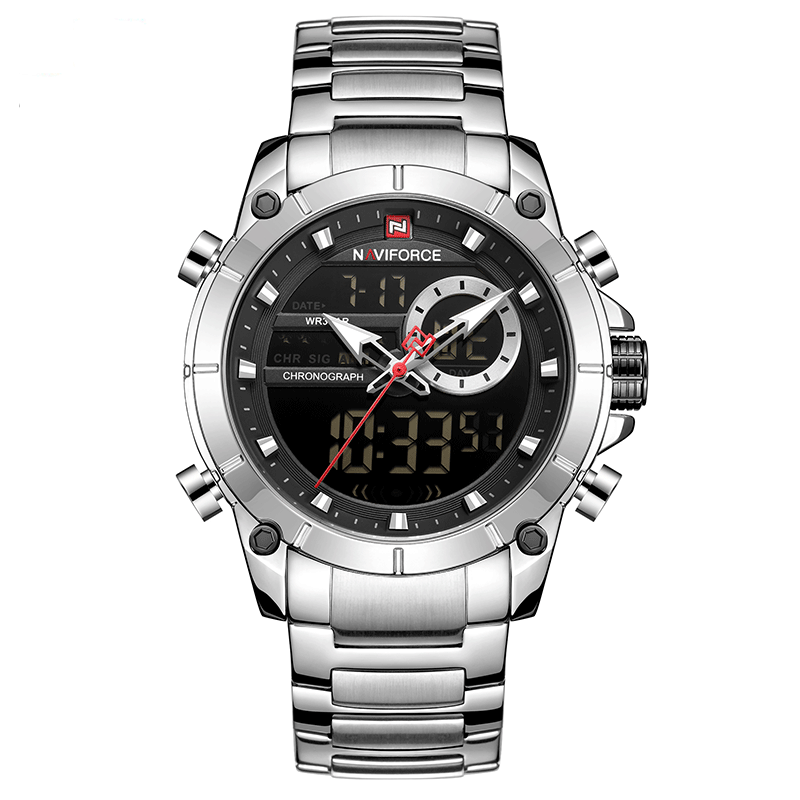 Digital Watch
 Quartz Standard Watch
 Quartz Calendar Watch
 Quartz
 Quartz Multi-Function Watch
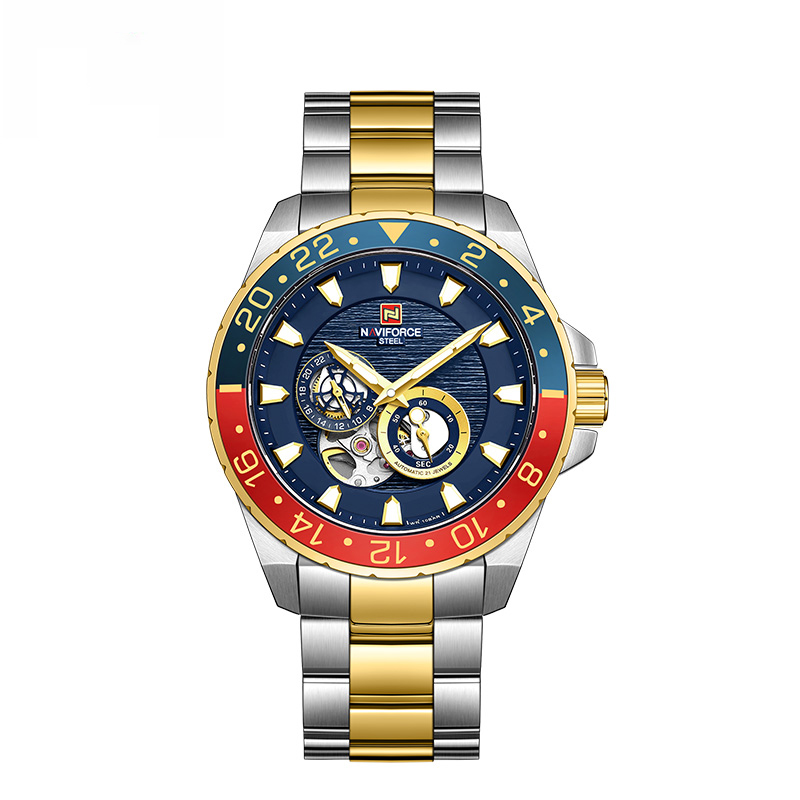 Automatic Mechanical Watch
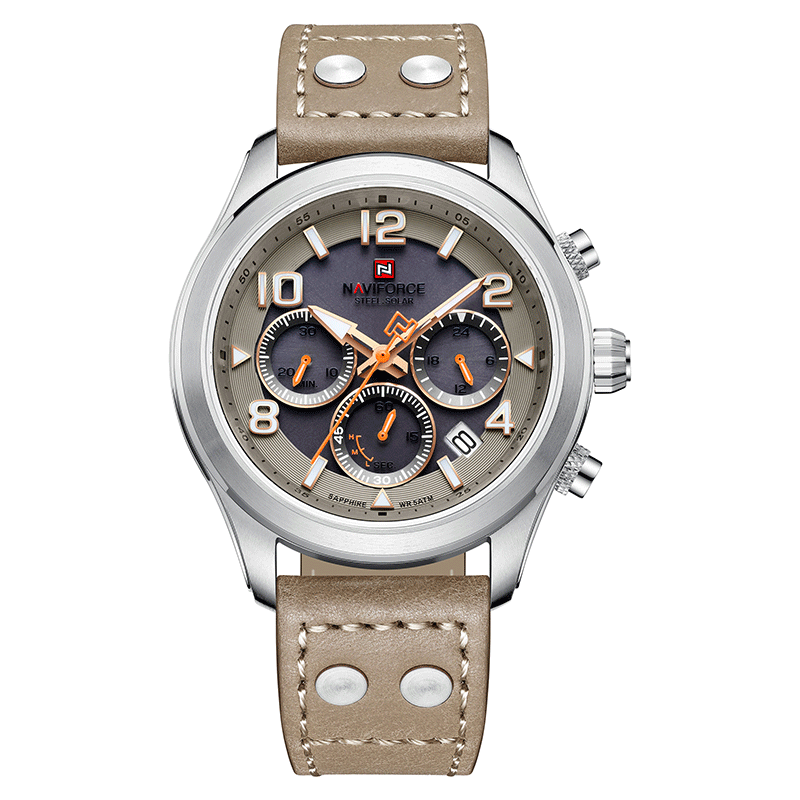 Solar-Powered Watch
 Smart Watch

When purchasing watches in bulk, product quality is one of the most important concerns for wholesalers, distributors, retailers, and private label brands. Even when a manufacturer has an established quality control system, buyers may want an additional inspection method before accepting a finished order.
AQL inspection is one of the commonly used sampling methods in international manufacturing and quality management. It allows buyers to evaluate a production batch by checking a selected number of watches rather than inspecting every unit individually.
But do wholesale watch factories support AQL inspection? What does the process involve, and which watch components should be checked?
This guide explains how AQL inspection works in watch manufacturing, what buyers should confirm with suppliers, and how to establish clear quality acceptance criteria before mass production.

What Is AQL Inspection in Watch Manufacturing?
AQL stands for Acceptance Quality Limit. It is a parameter used in statistical acceptance sampling to determine sample sizes and acceptance or rejection criteria for a production lot.
Instead of examining every watch in an order, an inspector randomly selects a certain number of finished products according to an agreed sampling plan. The selected watches are then checked against predefined quality requirements.
The inspection results are compared with the acceptance and rejection criteria established for the order.
AQL sampling is commonly associated with ISO 2859-1, which provides sampling schemes for inspection by attributes. The standard includes different inspection levels, sample sizes, and acceptance criteria.
For wholesale watch buyers, AQL inspection can provide a structured way to assess whether a finished production batch meets the agreed quality requirements.
It is important to understand that AQL is not a target defect rate or permission for a factory to knowingly supply defective watches. It is a statistical sampling parameter used to evaluate production lots.

Do Wholesale Watch Factories Support AQL Inspection?
Many wholesale watch manufacturers can accommodate AQL-based final inspections, but the specific arrangements vary between factories.
Some manufacturers have internal quality teams that conduct sampling inspections before shipment. Others may allow buyers to appoint an independent third-party inspection company to inspect finished goods at the factory or another agreed location.
Before placing an order, buyers should confirm the following:
- Whether the factory can follow an agreed AQL sampling plan
- Which inspection standard and edition will be applied
- The inspection level and sample size
- The AQL values for different defect categories
- The product specifications used as inspection references
- Whether internal or third-party inspection is required
- How failed inspections and corrective actions will be handled
Not every factory automatically provides the same AQL inspection service. Some arrangements may require advance agreement, additional inspection fees, or adjustments to the production schedule.
For this reason, buyers should include inspection requirements in the purchase order or quality agreement rather than discussing them only after production is complete.
Common AQL Defect Classifications for Watches
In watch manufacturing, product defects are generally classified according to their severity and impact on product usability, safety, and appearance.
A common approach is to divide defects into three categories: critical, major, and minor.
Critical Defects
Critical defects may affect user safety, violate applicable regulatory requirements, or create serious product risks.
Depending on the product and applicable requirements, examples may include:
- Sharp edges that could cause injury
- Unsafe or prohibited materials
- Battery compartment hazards
- Serious electrical or battery-related safety issues in applicable models
- Other defects that create unacceptable safety risks
Critical defects require particularly strict control. Buyers should establish clear requirements and determine how any identified critical issue will be handled.
Major Defects
Major defects significantly affect the watch’s functionality, usability, or expected product quality.
Examples include:
- Watch does not operate
- Movement stops or has serious timekeeping problems
- Hands are incorrectly installed or do not move properly
- Digital display is malfunctioning
- Chronograph or calendar functions do not work as specified
- Crown or pushers cannot operate correctly
- Strap or bracelet is improperly assembled
- Caseback or other structural components are incorrectly fitted
- Water resistance does not meet the agreed specification when properly tested
Major defects can lead to customer complaints, returns, and additional after-sales costs.
Minor Defects
Minor defects are generally cosmetic issues that do not significantly affect normal operation or product safety.
Examples may include:
- Small surface scratches
- Slight printing or marking imperfections
- Minor color differences within or outside agreed tolerances
- Small finishing inconsistencies
- Slightly uneven decorative details
However, the classification depends on the agreed product specifications and defect definitions. A cosmetic issue considered minor on one watch model may be unacceptable on another, particularly for products with special finishing or appearance requirements.
Buyers should establish clear defect criteria before inspection begins.

What Does an AQL Inspection Check on Watches?
AQL inspection for watches should cover both appearance and functional performance.
The exact inspection checklist depends on the watch model, materials, functions, and purchase requirements.
Appearance and Visual Inspection
Inspectors examine the overall appearance of the finished watch and compare it with the approved sample or product specifications.
Common checkpoints include:
- Dial printing and logo positioning
- Hand alignment and dial appearance
- Case color and surface finishing
- Crystal scratches or visible defects
- Strap or bracelet appearance
- Buckle and clasp finishing
- Caseback markings
- Dust, stains, and other visible contamination
- Packaging condition
For watches with special finishes, such as brushed metal, polished surfaces, or plated colors, buyers should define acceptable appearance standards clearly.
Functional Inspection
Functional testing checks whether the watch operates according to its specifications.
Depending on the model, inspectors may examine:
- Time display and hand movement
- Crown operation
- Date and day adjustment
- Digital display visibility
- Alarm and stopwatch functions
- Chronograph pushers
- Backlight operation
- Button response
- Analog-digital display coordination
For multifunction and digital watches, the inspection checklist should identify each function individually instead of relying on a general statement that the watch works.
Structural and Assembly Inspection
Structural checks focus on whether the watch has been correctly assembled.
Typical inspection items include:
- Case and caseback assembly
- Crown and pusher installation
- Strap attachment and spring bars
- Bracelet links and clasp connections
- Screw and component positioning
- Overall assembly consistency
These checks help identify assembly problems that may affect product reliability or customer experience.
Water Resistance Inspection
Water resistance is an important specification for many watch categories.
The inspection method should match the product’s rated water resistance and the manufacturer’s testing procedure.
For example, a watch marked 3ATM should not automatically be described as suitable for swimming. Buyers should confirm the agreed water resistance requirements and the appropriate test method for the model.
Water resistance inspection may involve specialized equipment and should be performed according to the relevant testing procedure rather than by casually exposing watches to water.
Packaging and Accessories Inspection
The finished order should also be checked for packaging and accessory consistency.
Inspectors may verify:
- Correct watch model and color
- Matching product labels
- Instruction manuals
- Warranty cards, where applicable
- Gift boxes or standard packaging
- Barcodes and SKU labels
- Carton quantities
- Shipping marks and carton condition
Packaging mistakes can create problems for distributors and retailers even when the watches themselves meet the required specifications.
How Does the AQL Sampling Process Work?
A typical AQL inspection involves several stages.
Agree on inspection requirements
Before production or final inspection, the buyer and manufacturer confirm the sampling standard, inspection level, defect classifications, and acceptance criteria.
Confirm the production lot
The factory completes the agreed production quantity and prepares the finished goods for inspection.
Determine the sample size
The inspector uses the agreed sampling plan, lot size, and inspection level to determine how many watches should be randomly selected.
Conduct the inspection
The selected watches are examined according to the approved checklist. Defects are recorded and classified according to their severity.
Compare the results with acceptance criteria
The inspection results are compared with the acceptance and rejection numbers in the agreed sampling plan.
Issue the inspection report
The report records the inspection scope, sample size, findings, defect categories, and final result. If the lot does not pass, the buyer and factory discuss corrective actions and the next inspection arrangement.
The specific sampling requirements should be agreed before inspection. AQL values alone do not determine the sample size or acceptance criteria.
What AQL Levels Should Wholesale Watch Buyers Choose?
Buyers often encounter AQL values such as 0.065, 0.65, 1.0, 1.5, 2.5, and 4.0 in manufacturing inspection discussions.
However, there is no universal AQL combination that automatically applies to every watch order.
The appropriate values depend on product risk, buyer requirements, inspection costs, and the sampling plan being used.
A buyer may specify different AQL parameters for different defect categories. Critical defects may be subject to a zero-acceptance requirement, while major and minor defects may have separately agreed sampling criteria.
The following table provides an illustrative framework, not a mandatory industry standard.
| Defect Category | Example Inspection Concern | Buyer Requirement |
|---|---|---|
| Critical | Safety-related defects | Strict control, commonly zero acceptance |
| Major | Movement failure, serious functional defects | Strict agreed AQL criterion |
| Minor | Small cosmetic imperfections | Separately agreed AQL criterion |
For example, a retailer selling watches under its own brand may require stricter visual standards than a buyer sourcing general promotional products.
A premium-looking watch with polished surfaces, detailed dial printing, and custom branding may require more specific cosmetic acceptance criteria.
The buyer should select inspection parameters based on the actual product requirements rather than copying another supplier’s AQL settings.
AQL Inspection vs. Factory Quality Control: What Is the Difference?
AQL inspection and factory quality control serve different purposes.
AQL is a sampling-based acceptance inspection method, usually applied to a production lot. Factory quality control involves checks throughout the manufacturing process to prevent and identify defects before finished products are released.
A manufacturer may conduct incoming, in-process, and final inspections while also accommodating a separate AQL inspection before shipment.
| Quality Control Stage | Main Purpose | Typical Inspection Focus |
|---|---|---|
| IQC | Incoming Quality Control | Raw materials and purchased components |
| PQC | Process Quality Control | Assembly and production processes |
| FQC | Final Quality Control | Finished watch appearance and functions |
| AQL Inspection | Lot acceptance sampling | Randomly selected finished products |
For example, IQC may check incoming watch cases, straps, movements, and other components. PQC monitors assembly and production quality, while FQC checks completed watches before delivery.
AQL inspection adds another layer of lot acceptance assessment based on an agreed sampling plan.
Using both approaches can help buyers and manufacturers manage quality more systematically.
What Should Buyers Prepare Before Requesting AQL Inspection?
Clear inspection requirements help prevent misunderstandings between buyers, manufacturers, and third-party inspectors.
Before arranging an inspection, prepare the following information:
Purchase order and order quantity
Provide the exact model numbers, colors, and total quantities for the inspection lot.
Approved product specifications
Share the approved product datasheets, reference images, material details, and functional requirements.
Defect classification
Define which issues are considered critical, major, or minor. Include specific examples relevant to the watch model.
Sampling standard and inspection level
Confirm the sampling standard and edition, inspection level, lot size, and sampling plan.
AQL requirements
Specify the AQL values and acceptance/rejection criteria for each defect category.
Testing requirements
List any additional checks, such as timekeeping, function testing, water resistance, or packaging verification. Include the relevant test conditions and acceptance limits.
Inspection schedule
Agree on when the inspection can take place and whether the goods must be fully produced, packed, or kept accessible for inspection.
Preparing these details before mass production gives the factory time to review the requirements and plan its quality control process.
What Happens If a Watch Order Fails AQL Inspection?
An unsuccessful AQL inspection does not automatically mean the entire production order must be rejected without further review.
The next steps depend on the inspection agreement and the nature of the defects.
A typical corrective process may include:
- Reviewing the inspection report and defect photographs
- Identifying the root causes of nonconformities
- Separating defective products from acceptable stock
- Repairing or replacing affected watches where feasible
- Conducting additional checks on the affected products
- Arranging reinspection according to the agreed procedure
For serious or repeated quality problems, the factory may need to review its production and assembly processes before continuing.
Buyers should establish in advance who is responsible for repair costs, replacement costs, reinspection fees, and schedule changes.
Clear contractual terms make it easier to resolve quality issues without unnecessary disputes.
How NAVIFORCE Manages Watch Quality During Production?
Guangzhou NAVIFORCE Watch Co., Ltd. was established in 2012 and has manufacturing operations in Foshan, Guangdong, China.
With more than 10 years of watch manufacturing experience, NAVIFORCE supplies a wide range of products for international wholesale buyers, including quartz, digital, analog-digital, solar-powered, and mechanical watches.
Product quality is managed throughout the manufacturing process rather than being evaluated only after final assembly.
The quality control process includes three main stages:
IQC – Incoming Quality Control
Incoming components and materials are checked before entering the production process. This helps identify potential material or component issues at an early stage.
PQC – Process Quality Control
Inspections are conducted during production and assembly. The purpose is to monitor manufacturing consistency and identify problems before they affect larger quantities.
FQC – Final Quality Control
Completed watches undergo final checks for appearance, functions, assembly, and other applicable product requirements before delivery.
For buyers who require AQL-based acceptance sampling or third-party final inspection, the specific inspection standard, defect criteria, and arrangements should be discussed and confirmed with the sales team before order confirmation.
This allows both parties to align product specifications and inspection expectations before mass production is completed.
Frequently Asked Questions About AQL Inspection for Wholesale Watches
Do all wholesale watch factories support AQL inspection?
No. Many manufacturers can accommodate AQL-based inspection, but the service and inspection arrangements vary. Buyers should confirm the sampling standard, inspection level, defect criteria, and whether third-party inspection is permitted.
Is AQL inspection mandatory for wholesale watch orders?
AQL inspection is not automatically mandatory for every order. It is generally arranged according to the buyer’s quality requirements and the agreement with the manufacturer.
What is the difference between AQL 2.5 and AQL 4.0?
They are different AQL parameters used in sampling plans. They may lead to different acceptance criteria, but the actual sample size and acceptance/rejection numbers also depend on lot size, inspection level, and sampling plan. A higher AQL value should not be interpreted as a direct guarantee of a higher defect percentage.
Can I hire a third-party inspection company to check my watch order?
Yes, buyers can arrange third-party inspection if the factory and buyer agree on the timing, inspection scope, and access requirements. The inspection company should receive the approved product specifications and sampling criteria before the inspection.
Does AQL inspection replace factory quality control?
No. AQL inspection evaluates a production lot through sampling. IQC, PQC, and FQC are factory quality control activities performed during different stages of production. They can complement each other.
Can water resistance be included in an AQL inspection?
Yes, water resistance can be included in the inspection scope if the test method, sampling approach, equipment, and acceptance requirements are clearly defined. The procedure should be appropriate for the watch’s rated water resistance.
What should I do if a watch order fails the AQL inspection?
Review the inspection report, identify the defect categories, and agree on corrective actions with the manufacturer. Depending on the problem, the factory may need to repair or replace defective products and arrange a reinspection.
Final Thoughts
AQL inspection provides wholesale watch buyers with a structured way to evaluate finished production batches before shipment. It is particularly useful for distributors, retailers, and private label brands that need consistent product quality across bulk orders.
However, an effective inspection depends on more than choosing an AQL number. Buyers should define the inspection standard, sample size, defect classifications, product specifications, and acceptance criteria before production is completed.
Working with a manufacturer that maintains quality checks throughout production and can coordinate agreed final inspection requirements helps reduce sourcing risks and supports more consistent wholesale purchasing.

Reasons for choosing NAVIFORCE:
- 10+ Years Watch Manufacturing
- 1000+ Wholesale Clients
- OEM & Private Label Expert
- Global Shipping Support
- Modern watch designs built for global buyers. Low MOQ, custom branding, fast production.
Welcome to our website:
NAVIFORCE Brand Website: https://www.naviforce.com/
NAVIFORCE Shopify Store: https://the-naviforce.com/
Post time: Nov-04-2026


