



 Men
 Women
 Couples
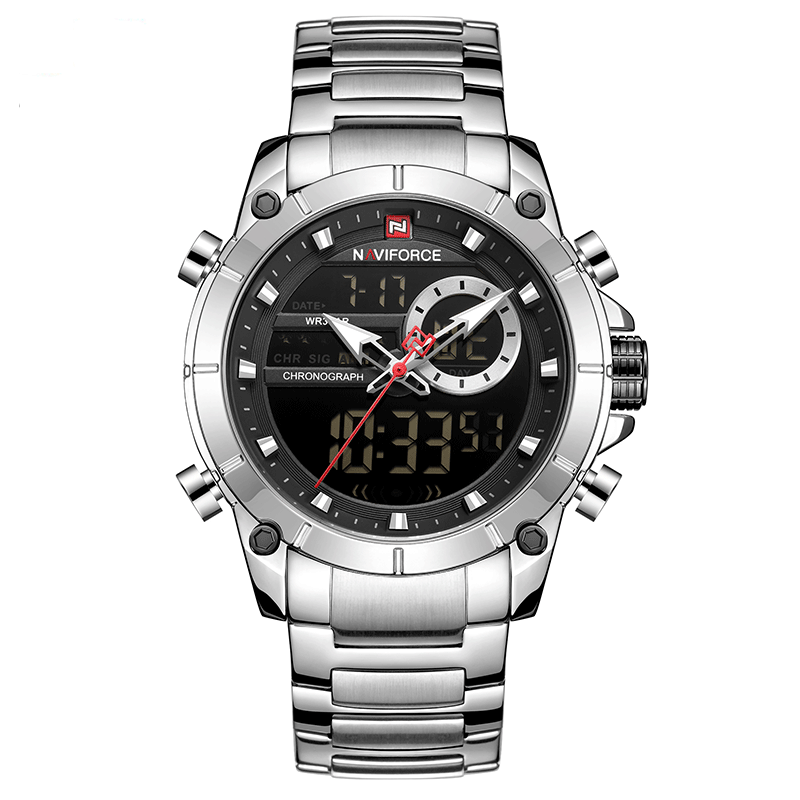 Digital Watch
 Quartz Standard Watch
 Quartz Calendar Watch
 Quartz
 Quartz Multi-Function Watch
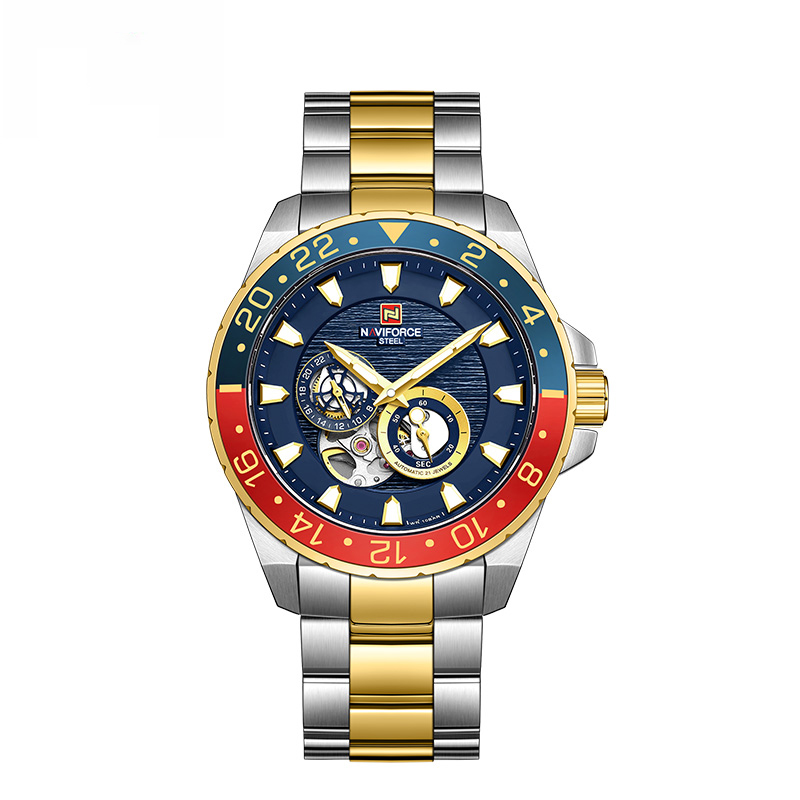 Automatic Mechanical Watch
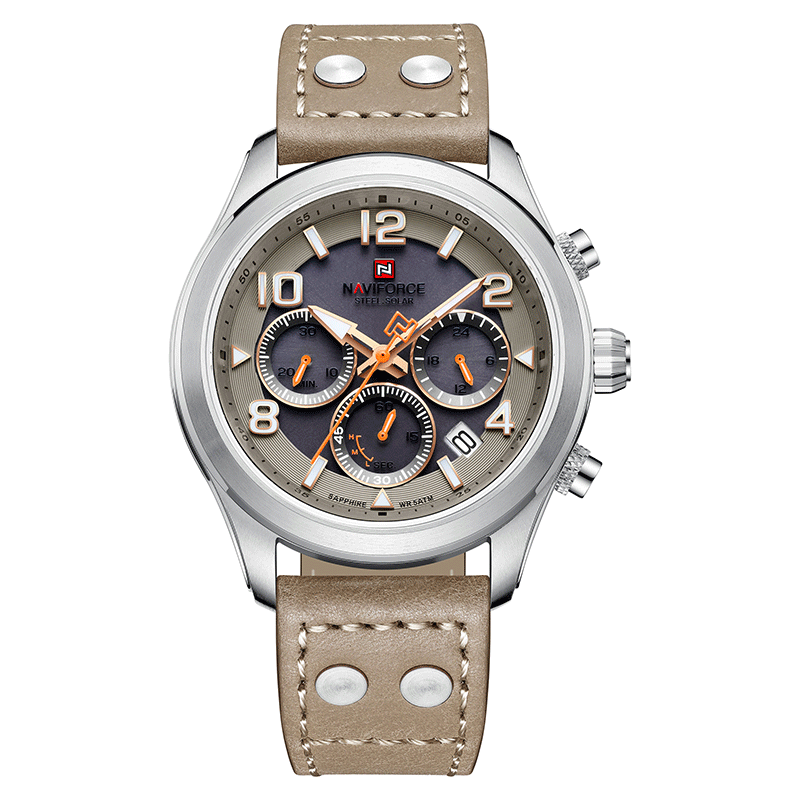 Solar-Powered Watch
 Smart Watch

When placing a bulk order, checking watch quality before shipment is an essential step in protecting your investment and maintaining customer satisfaction. Even if a supplier provides an approved sample, mass-produced watches still need to undergo proper inspection before leaving the factory.
For wholesalers, distributors, retailers, and private label brands, a reliable pre-shipment inspection helps identify manufacturing defects, functional problems, packaging errors, and inconsistencies between approved samples and finished products.
So, how do you check the quality of wholesale watches before shipment? This guide explains the key inspection points, common testing procedures, and quality control practices that buyers should understand before arranging bulk delivery.

Why Pre-Shipment Inspection Matters for Wholesale Watches?
Bulk watch orders involve multiple components, including movements, dials, cases, hands, straps, buckles, and packaging materials. A problem with any of these parts can affect the final product.
Pre-shipment inspection helps wholesale buyers:
- Confirm that finished watches match the approved sample and order specifications.
- Identify cosmetic defects such as scratches, stains, loose components, or uneven finishing.
- Check whether watch movements and additional functions operate correctly.
- Verify that the specified water resistance and material requirements are met.
- Reduce the risk of receiving incorrect models, colors, or quantities.
- Ensure that product labels, accessories, and packaging are prepared correctly.
For international wholesale orders, identifying problems before shipment is generally more efficient than handling returns, replacements, or customer complaints after delivery.
Key Quality Checks Before Shipping Wholesale Watches
A comprehensive watch inspection should cover appearance, functionality, construction, performance, and packaging. Buyers can use the following checkpoints when evaluating a wholesale watch manufacturer’s quality control process.

Visual Appearance and Finishing Inspection
The first step is to examine the overall appearance of each watch or the selected inspection samples.
Pay attention to the following details:
- Watch Case: Check for scratches, dents, uneven plating, rough edges, and inconsistent surface finishing.
- Dial and Markers: Make sure dial printing is clear, hour markers are correctly positioned, and there are no visible stains or defects.
- Watch Hands: Check whether the hands are properly installed, aligned, and free from visible damage.
- Glass: Inspect the watch crystal for scratches, cracks, dust, or other imperfections.
- Strap and Bracelet: Look for surface damage, uneven stitching, loose links, and inconsistent colors.
- Logo and Printing: Verify that brand logos, model markings, and custom printing match the approved design.
For private label watch orders, logo placement, printing quality, and color consistency deserve particular attention because they directly affect brand presentation.
Movement Accuracy and Functional Testing
A watch may look perfect but still have functional problems. Therefore, movement and function testing are essential parts of pre-shipment quality inspection.
For quartz watches, inspectors should check:
- Whether the watch starts and runs normally.
- Whether the hour, minute, and second hands move correctly.
- Whether the crown can adjust the time smoothly.
- Whether the calendar changes correctly, if applicable.
- Whether additional functions, such as chronographs or alarms, operate as intended.
For digital and analog-digital watches, the inspection should also cover LCD display clarity, button response, calendar settings, alarm functions, and stopwatch operation where applicable.
For mechanical watches, additional attention should be given to winding, timekeeping performance, hand movement, and other movement-specific functions.
Timekeeping accuracy should be evaluated against the agreed movement specifications and an appropriate testing period. A brief function check alone cannot establish long-term accuracy.
Water Resistance Testing
Water resistance is another important inspection item, particularly for sports watches and everyday watches marketed with water resistance.
Wholesale buyers should confirm that the finished products meet their specified water resistance rating.
Common ratings include:
- 3ATM: Suitable for everyday splashes and rain under normal conditions.
- 5ATM: Offers a higher level of water resistance for activities such as handwashing, rain, and other conditions permitted by the manufacturer’s specifications.
A professional manufacturer should use suitable water resistance testing equipment and follow the applicable testing procedures.
Depending on the production arrangement, testing can be conducted through sampling or other agreed inspection plans. Buyers should clarify the testing frequency, acceptance criteria, and available inspection records before production.
Importantly, a water resistance rating does not mean that every watch is suitable for swimming or diving. The intended use must match the product’s actual specifications.
Strap, Buckle, and Component Inspection
The strap and buckle affect both wearing comfort and product durability. These components should be inspected carefully before bulk shipment.
For leather straps, check the surface, stitching, edge finishing, and connection points.
For silicone or TPU straps, inspect flexibility, surface consistency, color uniformity, and buckle attachment.
For stainless steel bracelets, examine link connections, clasp operation, finishing, and overall assembly.
The following checks are also recommended:
- Test whether the buckle opens and closes properly.
- Check whether the strap is securely attached to the watch case.
- Inspect spring bars and connecting components.
- Look for loose screws, sharp edges, or poorly assembled parts.
- Confirm that the strap color and material match the approved order.
These checks help reduce the possibility of loose straps, damaged buckles, and other assembly-related complaints.
Battery and Electronic Component Checks
For quartz and digital watches, battery performance and electronic functions should also be included in the inspection process.
Inspectors should confirm that:
- The watch battery is installed correctly.
- The display and movement start normally.
- Digital buttons respond properly.
- There are no abnormal display issues.
- Additional electronic functions operate according to the product specifications.
For analog-digital watches, both the analog movement and LCD display should be checked independently and together.
Packaging, Accessories, and Quantity Verification
Product quality inspection does not end with the watch itself. Packaging and order accuracy are equally important for wholesale delivery.
Before shipment, buyers should verify:
- Correct watch models and color combinations.
- Accurate quantities for each SKU.
- Matching product labels and barcodes, if required.
- Correct user manuals and warranty cards, where included.
- Complete accessories and packaging materials.
- Proper protective packaging to prevent damage during transportation.
- Correct carton markings and shipping information.
For orders involving multiple models or customized packaging, checking SKU labels and carton quantities is especially important.
What Is AQL Inspection and How Does It Apply to Wholesale Watches?
AQL, or Acceptable Quality Limit, is a commonly used sampling method in product quality inspection.
Instead of checking every item in a large shipment, inspectors select a representative sample from the production lot according to an agreed sampling plan. The inspected samples are then evaluated against predefined acceptance criteria.
For wholesale watch orders, defects are commonly classified into three categories:
Critical Defects
Defects that may create safety risks or make the product unsuitable for sale. These generally have a zero-acceptance requirement under the agreed inspection plan.
Major Defects
Problems that significantly affect watch functionality, appearance, or usability. Examples include non-functioning movements, broken straps, incorrect model specifications, or serious assembly defects.
Minor Defects
Small cosmetic issues that do not significantly affect normal operation, such as slight surface imperfections or minor finishing inconsistencies.
The appropriate AQL level and sampling quantity should be agreed upon before inspection. Buyers should also confirm the inspection standard, sample size, and acceptance and rejection criteria with their supplier.
It is important to understand that AQL sampling does not guarantee that every watch in a shipment is defect-free. For this reason, a good factory quality management system should combine production-stage controls with final inspection.
How Do Watch Manufacturers Control Quality Throughout Production?
Reliable pre-shipment quality starts long before the finished watches are packed. A professional wholesale watch manufacturer should maintain quality control procedures throughout the production process.
At NAVIFORCE, quality management covers different manufacturing stages to help maintain product consistency.
Incoming Quality Control (IQC)
Before assembly, incoming components and materials are inspected according to relevant quality requirements. This includes movements, watch cases, dials, straps, batteries, and other components.
The purpose is to identify unsuitable materials before they enter the production process.
Process Quality Control (PQC)
During production and assembly, quality checks focus on component installation, assembly accuracy, appearance, and functional performance.
Monitoring these stages helps identify manufacturing problems early and reduces the risk of defective products continuing through production.
Final Quality Control (FQC)
After assembly, finished watches undergo final quality checks based on product specifications and inspection requirements.
This stage focuses on overall appearance, movement operation, functional performance, and product consistency before the watches proceed to packaging and shipment.
By implementing IQC, PQC, and FQC, a manufacturer can monitor product quality from incoming materials to finished watches rather than relying exclusively on a final inspection.

How Can Wholesale Buyers Prepare for a Pre-Shipment Inspection?
Buyers can make the inspection process more efficient by confirming important requirements with the manufacturer before mass production begins.
Approve a Pre-Production Sample
Request a sample and confirm its appearance, materials, colors, functions, and specifications before authorizing bulk production. This sample provides a reference for subsequent quality checks.
Prepare a Clear Product Specification Sheet
Document essential details such as case dimensions, movement type, strap material, water resistance rating, dial design, logo placement, and packaging requirements.
Clear specifications help both parties avoid misunderstandings during manufacturing.
Agree on Inspection Standards
Discuss inspection methods, sampling quantities, acceptable defect levels, and testing requirements before production is completed.
If third-party inspection is required, arrange the inspection scope and schedule in advance.
Review Inspection Results Before Shipment
Ask the manufacturer to provide relevant inspection records and product photos or videos when available. For larger orders, buyers may also arrange an independent third-party inspection.
Reviewing the results before shipment gives buyers an opportunity to address identified issues before the goods leave the factory.

Why Choose a Wholesale Watch Manufacturer with a Quality Control System?
Choosing a watch supplier should involve more than comparing unit prices. Manufacturing experience, production management, component sourcing, and quality inspection capabilities all influence the consistency of bulk orders.
Guangzhou NAVIFORCE Watch Co., Ltd. was established in 2012 and operates its manufacturing facility in Foshan, Guangdong, China.
With a 5,000-square-meter production facility, more than 200 employees, and over 1,000 watch models, NAVIFORCE provides wholesale, OEM, and ODM watch manufacturing services for international buyers.
The company’s product range includes quartz watches, digital watches, analog-digital watches, solar-powered watches, and mechanical watches.
Its quality management approach incorporates IQC, PQC, and FQC procedures, covering incoming components, production processes, and finished products.
For buyers developing their own watch brands, NAVIFORCE also supports logo customization, private label projects, and OEM/ODM cooperation. Production samples are confirmed before mass manufacturing to help align the finished order with the buyer’s requirements.
With an MOQ starting from 500 pieces, the factory provides manufacturing options for wholesalers, distributors, and growing watch brands.
Frequently Asked Questions About Wholesale Watch Quality Inspection
Should wholesale watches be inspected before shipment?
Yes. Pre-shipment inspection helps buyers identify appearance defects, functional problems, incorrect specifications, and packaging issues before the products leave the factory. It is an important step in bulk purchasing.
Can I arrange a third-party inspection for a bulk watch order?
Yes. Buyers can arrange an independent third-party inspection to evaluate product appearance, functions, specifications, packaging, and other agreed requirements. The inspection date and scope should be coordinated with the manufacturer.
Does AQL inspection check every watch in an order?
No. AQL inspection uses a sampling plan to evaluate a selected number of products from a production lot. It does not mean that every watch is individually inspected. The sampling level and acceptance criteria should be agreed upon in advance.
What documents should I request before wholesale watches are shipped?
Depending on the order requirements, buyers can request inspection reports, product specifications, approved sample records, product photos, packing lists, and relevant compliance documents.
When should pre-shipment inspection take place?
Pre-shipment inspection is generally arranged after mass production is completed and the goods are sufficiently packed or prepared for inspection. The exact timing depends on the inspection scope and buyer-supplier agreement.
Work with a Wholesale Watch Manufacturer That Values Quality
Checking watch quality before shipment is not simply a final purchasing procedure. It is part of a broader quality management strategy that protects product consistency, reduces avoidable after-sales issues, and supports long-term business relationships.
Whether you are sourcing quartz watches, digital watches, sports watches, or developing a private label collection, working with a manufacturer that maintains clear quality control procedures can make bulk purchasing more predictable.
Looking for a wholesale watch factory in China? Contact NAVIFORCE to explore wholesale collections, OEM/ODM customization, and private label manufacturing solutions.

Reasons for choosing NAVIFORCE:
- 10+ Years Watch Manufacturing
- 1000+ Wholesale Clients
- OEM & Private Label Expert
- Global Shipping Support
- Modern watch designs built for global buyers. Low MOQ, custom branding, fast production.
Welcome to our website:
NAVIFORCE Brand Website: https://www.naviforce.com/
NAVIFORCE Shopify Store: https://the-naviforce.com/
Post time: Nov-05-2026


