



 Men
 Women
 Couples
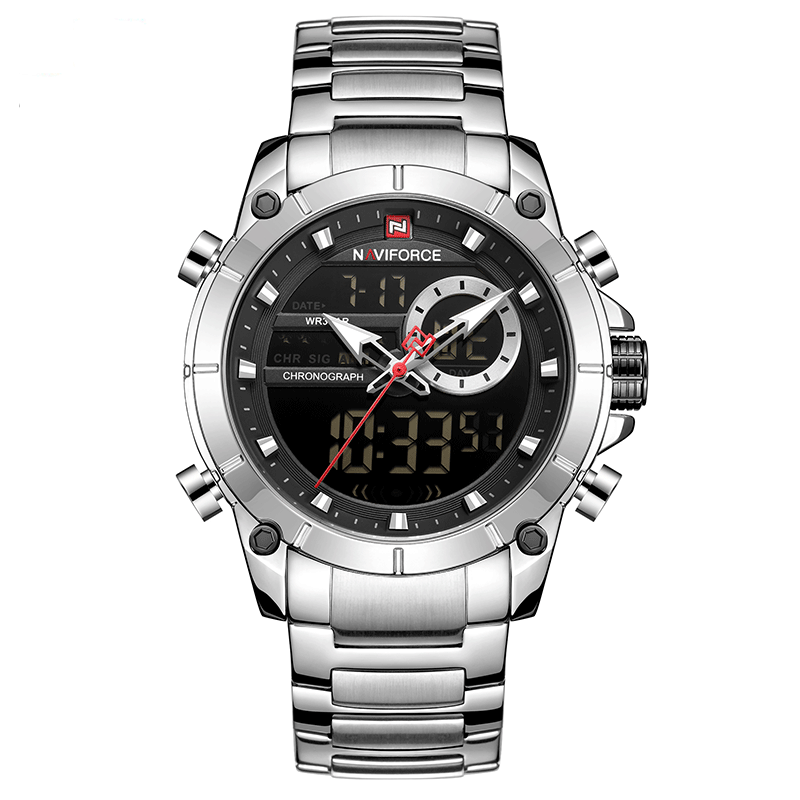 Digital Watch
 Quartz Standard Watch
 Quartz Calendar Watch
 Quartz
 Quartz Multi-Function Watch
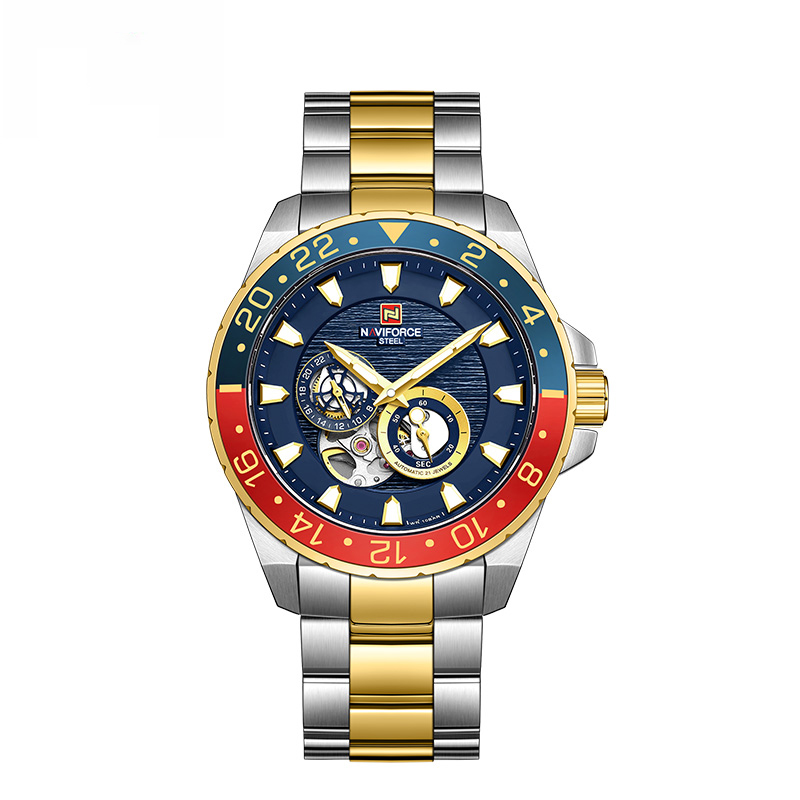 Automatic Mechanical Watch
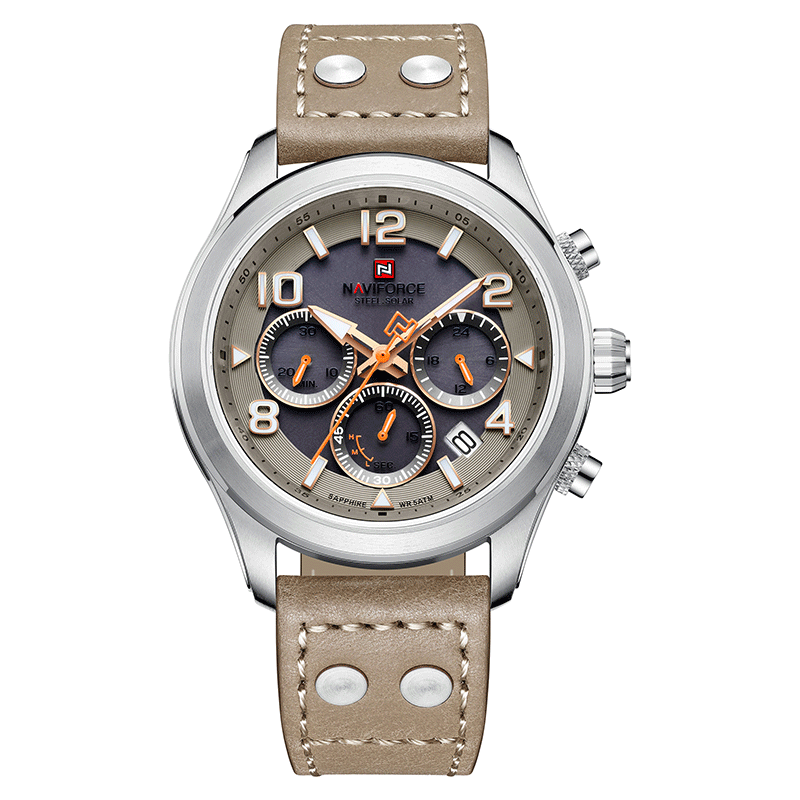 Solar-Powered Watch
 Smart Watch


Entering the European watch market requires more than sourcing attractive designs at competitive wholesale prices. Importers, distributors, and private label brands must also ensure that their watches comply with applicable European Union (EU) product safety, chemical, environmental, and labeling regulations.
For businesses purchasing wholesale watches from China, understanding EU compliance requirements before placing a bulk order can help avoid regulatory problems, unexpected testing costs, and difficulties when selling products through European retailers or online marketplaces.
But what certifications do wholesale watches actually need for the EU market? Are CE and RoHS mandatory? Do stainless steel watches require REACH testing? What additional requirements apply to digital and Bluetooth watches?
The answer depends on the watch’s electronic components, materials, battery type, wireless functions, and intended use.
This guide explains the main EU regulations for wholesale watches, the compliance documents buyers should request from manufacturers, and how to prepare products for the European market.
Why EU Compliance Matters When Importing Wholesale Watches?
The European Union has established product regulations to protect consumers, restrict hazardous substances, and improve environmental management.
For wholesale watch buyers, compliance is important for several reasons:
- Market Access: Products must satisfy the applicable EU requirements before being placed on the European market.
- Product Safety: Watch materials, batteries, and electronic components must meet relevant safety requirements.
- Chemical Restrictions: Certain hazardous substances are restricted in products and materials.
- Import Responsibilities: EU importers and other economic operators have specific legal obligations.
- Retail and E-commerce Requirements: Product information, traceability, and compliance documentation may be required by retailers and online marketplaces.
- Brand Protection: Proper compliance management helps reduce regulatory risks and supports long-term business operations.
One important point is that not every watch needs the same certifications. A traditional quartz watch, a digital sports watch, and a Bluetooth smartwatch may fall under different combinations of EU legislation.
Main EU Certifications and Regulations for Wholesale Watches
When sourcing watches for European markets, buyers should understand the following compliance requirements.
CE Marking: Which Watches Need CE Compliance?
CE marking indicates that a product complies with the applicable EU harmonization legislation requiring CE marking.
However, CE marking is not a general quality certificate, and not every product sold in Europe needs it.
For wholesale watches, the applicable requirements depend on the product’s classification and components.
Quartz and Digital Watches
Battery-powered quartz and digital watches may fall within the scope of the EU Restriction of Hazardous Substances Directive (RoHS), depending on their classification as electrical and electronic equipment and any applicable exclusions.
Where RoHS applies, the product must undergo the required conformity assessment, technical documentation preparation, and EU Declaration of Conformity process. CE marking is also required.
Bluetooth and Connected Smartwatches
Smartwatches with Bluetooth or other wireless communication functions are generally subject to the Radio Equipment Directive (RED) 2014/53/EU.
Relevant conformity requirements may include:
- Radio frequency and spectrum compliance.
- Electromagnetic compatibility.
- Electrical safety requirements.
- Applicable cybersecurity requirements.
- RoHS compliance where applicable.
The manufacturer must complete the applicable conformity assessment and issue an EU Declaration of Conformity before affixing the CE mark.
Traditional Watches Without Electronic Functions
Products that do not fall within any EU legislation requiring CE marking should not carry the CE mark.
Buyers should therefore identify the applicable legislation for each product rather than asking suppliers for a generic CE certificate.
It is also important to understand that a third-party test report is not the same as an EU Declaration of Conformity. The manufacturer remains responsible for the required conformity assessment and legal declaration.
RoHS Compliance: Restriction of Hazardous Substances
RoHS stands for Restriction of Hazardous Substances. It is one of the key environmental compliance requirements for covered electrical and electronic equipment sold in the European Union.
The RoHS Directive 2011/65/EU restricts ten substances in covered products.
These include:
- Lead (Pb)
- Mercury (Hg)
- Cadmium (Cd)
- Hexavalent Chromium (Cr VI)
- Polybrominated Biphenyls (PBB)
- Polybrominated Diphenyl Ethers (PBDE)
- Bis(2-ethylhexyl) Phthalate (DEHP)
- Butyl Benzyl Phthalate (BBP)
- Dibutyl Phthalate (DBP)
- Diisobutyl Phthalate (DIBP)
For wholesale watches, RoHS assessment is particularly relevant to electrical and electronic components, such as:
- Quartz watch movements and electronic assemblies.
- Digital display modules.
- Circuit boards and electronic components.
- Battery-related electrical components.
- Cables and other applicable electronic parts.
Buyers should request relevant RoHS test reports or material compliance documentation from their suppliers.
When reviewing a report, check whether it identifies the correct watch model or components, the tested materials, and the applicable restricted substances.
A report for one watch model should not automatically be assumed to cover every model in a supplier’s collection.
REACH Compliance: Chemical Restrictions for Watch Materials
REACH stands for Registration, Evaluation, Authorisation and Restriction of Chemicals.
It is an important EU regulation covering chemical substances used in products and materials.
For watches, REACH compliance deserves particular attention because many components come into direct contact with the wearer’s skin.
Relevant materials include:
- Stainless steel cases and bracelets.
- Metal buckles and connecting components.
- Leather watch straps.
- Silicone and TPU straps.
- Plastic cases and decorative parts.
- Plating, coatings, and surface treatments.
One important area is Substances of Very High Concern (SVHC).
If an article contains a Candidate List substance above 0.1% weight by weight, communication obligations under REACH Article 33 may apply. Relevant EU suppliers may also have SCIP notification obligations.
Other REACH restrictions may apply to specific chemicals used in watch components, depending on their material and application.
For wholesale buyers, requesting appropriate material declarations and chemical test reports is a practical way to evaluate supplier compliance.
REACH is not a single universal product certificate. Compliance must be assessed according to the substances, materials, and restrictions applicable to the finished product.
Nickel Release Testing for Stainless Steel Watches
Nickel release is particularly important for metal watches that come into direct and prolonged contact with human skin.
Under REACH Annex XVII, Entry 27, restrictions apply to relevant products including:
- Wristwatch cases.
- Watch straps and bracelets.
- Watch strap tighteners and related components.
For relevant skin-contact parts, the nickel release limit is 0.5 μg/cm²/week.
Protective coatings must also meet applicable requirements for nickel release during normal use.
This is especially relevant to stainless steel bracelets, metal cases, buckles, and plated components.
Buyers sourcing metal watches for Europe should consider requesting nickel release testing using the applicable European testing methods.
This helps verify whether relevant components meet the restriction instead of relying only on general descriptions such as nickel-free or skin-friendly.
GPSR: General Product Safety Regulation
The General Product Safety Regulation (EU) 2023/988 has applied since December 13, 2024.
GPSR establishes general consumer product safety requirements and applies to product safety aspects that are not covered by more specific EU harmonization legislation.
For wholesale watch businesses, relevant areas include:
- Product safety risk assessment.
- Product identification and traceability.
- Manufacturer and importer information.
- Safety instructions and warnings where necessary.
- Technical documentation and safety-related information.
- Procedures for handling consumer complaints and product recalls.
For products within its scope, GPSR also establishes requirements concerning the responsible economic operator in the EU.
For online sales targeting EU consumers, the required manufacturer, responsible person, and product identification information must be presented in the product offer, as applicable.
For watches covered by specific EU harmonization legislation, the relationship between GPSR and that legislation must be assessed according to the product and the risks involved.
GPSR is a legal product safety framework, not a certificate that can simply be purchased from a testing laboratory.
EU Battery Regulation: Requirements for Battery-Powered Watches
Many quartz and digital watches use button-cell batteries or other portable batteries.
Therefore, battery compliance should be considered when exporting battery-powered watches to Europe.
Regulation (EU) 2023/1542 establishes requirements covering batteries throughout their lifecycle, including:
- Restricted substances.
- Battery safety and performance.
- Labeling and marking.
- Information and traceability.
- Producer responsibility.
- Collection and recycling of waste batteries.
For wholesale watch buyers, the battery type is an important starting point.
Check whether the watch uses a replaceable button cell, a rechargeable battery, or another battery configuration.
Buyers should also pay attention to the phased implementation of battery labeling requirements. Under Article 13, general battery information labeling is scheduled from August 18, 2026, or 18 months after the relevant implementing act enters into force, whichever is later. Other battery information requirements have separate implementation dates.
The applicable requirements should therefore be checked against the latest EU rules before products are placed on the market.
Battery compliance and watch compliance are related but separate matters. A compliant watch does not automatically demonstrate that all battery-related obligations have been fulfilled.
WEEE: Waste Electrical and Electronic Equipment
The WEEE Directive 2012/19/EU aims to improve the collection, treatment, recycling, and recovery of electrical and electronic waste.
For wholesale watch businesses, WEEE obligations may apply when the product is classified as electrical and electronic equipment.
Depending on the product classification and the business’s role, relevant responsibilities can include:
- Registering with national WEEE authorities.
- Reporting quantities of products placed on the market.
- Financing or organizing collection and recycling.
- Joining an approved compliance scheme.
- Meeting applicable product marking and information requirements.
Importers and brands selling electronic watches in multiple EU countries should review national producer registration obligations.
WEEE registration is an environmental compliance obligation, not a watch quality certificate.
Which EU Requirements Apply to Different Watch Types?
Different watch categories may require different compliance assessments. The following table provides a practical starting point for wholesale buyers.
| Watch Type | Main Compliance Areas |
|---|---|
| Quartz Analog Watches | RoHS scope, REACH, GPSR where applicable |
| Digital Watches | RoHS, CE where required, REACH, battery rules |
| Analog-Digital Watches | RoHS, CE where required, REACH, battery rules |
| Stainless Steel Watches | REACH, nickel release, GPSR where applicable |
| Leather Strap Watches | REACH chemical restrictions, GPSR where applicable |
| Silicone and TPU Watches | REACH chemical restrictions, GPSR where applicable |
| Bluetooth Smartwatches | RED, CE, RoHS, REACH, battery and other applicable requirements |
This comparison is a general reference, not a substitute for a product-specific conformity assessment.
For example, a quartz watch with electronic components may be covered by RoHS, while a Bluetooth smartwatch requires additional assessment under RED.
What Documents Should You Request from a Wholesale Watch Manufacturer?
Before placing a bulk order for the European market, buyers should prepare a clear compliance documentation checklist.
The following documents and information are useful when evaluating a watch manufacturer’s compliance capabilities.
RoHS Test Reports
Request relevant reports for covered electronic watch models and components. Check the tested materials, restricted substances, product identification, and laboratory details.
REACH Compliance Documentation
Ask for relevant chemical test reports, material declarations, or other supporting documents covering applicable REACH restrictions.
Nickel Release Test Reports
For metal watches containing parts intended for prolonged skin contact, request nickel release test reports where applicable.
EU Declaration of Conformity
For products covered by CE-marking legislation, request the applicable EU Declaration of Conformity.
Check that the declaration identifies the correct product and relevant EU legislation.
Battery Compliance Information
Confirm the battery type, manufacturer, relevant test documentation, and applicable labeling requirements.
Product Specifications and Material Information
Obtain specifications covering the watch case, strap, movement, display, battery, and other important components.
GPSR Product Safety Information
For products within its scope, establish the relevant EU responsible economic operator and confirm that product identification, traceability, and safety information are available.
WEEE Registration Information
If you are responsible for placing covered electrical and electronic equipment on the market, check the relevant national registration and producer responsibility requirements.
Remember that a general factory certificate does not automatically demonstrate that every watch model complies with EU legislation. Compliance evidence should correspond to the actual product and its components.
How Can Wholesale Buyers Prepare Watches for the EU Market?
Compliance planning should begin before mass production, especially for private label and OEM projects.
The following steps can help buyers organize the process.
Identify Your Target Watch Categories
Prepare a list of the watch types you intend to import, including quartz watches, digital watches, analog-digital watches, and smartwatches.
Determine which products contain electronic components, wireless communication modules, and batteries.
This information helps establish which EU regulations may apply.
Confirm Materials and Components
Ask the manufacturer to identify the main materials used in the watch case, bracelet, strap, plating, and electronic components.
For metal watches, pay particular attention to nickel release.
For digital watches, review the electronic components and battery specifications.
Discuss Compliance Requirements Before Production
Provide the manufacturer with your target EU markets and compliance requirements before confirming the order.
If laboratory testing is needed, discuss the testing scope, sample preparation, costs, and schedule in advance.
This is particularly important for customized watch projects where materials, plating, or electronic components may differ from existing models.
Verify Test Reports and Product Consistency
Check that the documents correspond to the actual watch model or relevant components.
Changes in materials, suppliers, coatings, batteries, or electronic assemblies may affect whether existing reports remain representative.
Do not assume that one test report automatically covers an entire watch collection.
Prepare Import and Market Responsibilities
Determine whether your business acts as the importer, distributor, brand owner, or another economic operator.
Review the applicable requirements for CE marking, GPSR, WEEE, batteries, and national producer registration before placing products on the market.
Why Choose NAVIFORCE as Your Wholesale Watch Manufacturing Partner?
For wholesalers, distributors, and private label brands entering the European market, choosing a manufacturer with organized production management and export experience is an important part of the sourcing process.
Guangzhou NAVIFORCE Watch Co., Ltd. was established in 2012, with its manufacturing facility located in Foshan, Guangdong, China.
The company operates a 5,000-square-meter production facility with more than 200 employees and over 1,000 watch models.
Its product range includes quartz watches, digital watches, analog-digital watches, solar-powered watches, and mechanical watches.
NAVIFORCE provides wholesale and OEM/ODM manufacturing services for international customers, including:
- Extensive Product Selection: More than 1,000 watch models covering different designs, materials, and functions.
- Wholesale Supply: Standard MOQ starts at 500 pieces, with specific order arrangements confirmed according to the selected products.
- OEM and Private Label Services: Support for custom logos, branding, and product development.
- Sample Confirmation: Samples are confirmed before mass production to establish the agreed product specifications.
- Production Quality Management: IQC, PQC, and FQC procedures cover incoming materials, production processes, and finished products.
- International Export Experience: Products are supplied to customers in more than 100 countries and regions.
For buyers targeting Europe, communicating the intended product category and compliance requirements before ordering helps establish the relevant product specifications and documentation needs.
Frequently Asked Questions About Wholesale Watch Certifications for Europe
Do all wholesale watches need CE certification for the EU market?
No. CE marking is required only when a product falls under EU legislation that requires it. Some electronic watches may require CE marking through applicable RoHS legislation, while Bluetooth smartwatches generally fall under RED. Buyers should assess each product separately.
Is RoHS mandatory for quartz watches?
Quartz watches containing electrical and electronic components may fall within the scope of RoHS. The actual applicability depends on product classification and relevant exclusions.
Do stainless steel watches need REACH testing?
Stainless steel watches must comply with applicable REACH restrictions. Nickel release testing is particularly important for metal watch cases, bracelets, and buckles that come into direct and prolonged contact with the skin.
Can a Chinese watch factory provide EU compliance documents?
A manufacturer may provide relevant test reports, material declarations, product specifications, and conformity documentation depending on the product and its existing testing arrangements. Buyers should verify that the documents match the actual watch models being purchased.
Is a CE certificate the same as an EU Declaration of Conformity?
No. An EU Declaration of Conformity is a legal document issued by the responsible manufacturer declaring conformity with applicable EU legislation. A third-party test report may support the assessment but does not automatically replace the declaration.
Does GPSR apply to watches sold online in Europe?
GPSR applies to consumer products within its scope, including relevant online sales. Businesses must review applicable product safety, traceability, responsible economic operator, and online product information requirements.
Do watch batteries need separate compliance documents?
Battery-related requirements should be assessed separately under Regulation (EU) 2023/1542. Applicable documentation and responsibilities depend on the battery type and the role of the business placing the battery or product on the market.
Can one compliance report cover multiple watch models?
Not automatically. Coverage depends on whether the tested materials, components, construction, and product specifications are representative of the models concerned. Buyers should confirm the report scope with the testing laboratory and supplier.
Source Wholesale Watches for the European Market with NAVIFORCE
Entering the European watch market requires more than selecting attractive designs and competitive wholesale prices. Buyers must also understand product-specific compliance requirements, including CE marking, RoHS, REACH, nickel release, GPSR, battery regulations, and WEEE obligations.
The most effective approach is to identify the applicable regulations before production, confirm material and component specifications, and prepare the necessary supporting documentation for each product category.
NAVIFORCE offers an extensive range of wholesale watches and OEM/ODM manufacturing services for international buyers.
Contact our team to discuss your product selection, customization requirements, and documentation needs for your European market.

Reasons for choosing NAVIFORCE:
- 10+ Years Watch Manufacturing
- 1000+ Wholesale Clients
- OEM & Private Label Expert
- Global Shipping Support
- Modern watch designs built for global buyers. Low MOQ, custom branding, fast production.
Welcome to our website:
NAVIFORCE Brand Website: https://www.naviforce.com/
NAVIFORCE Shopify Store: https://the-naviforce.com/
Post time: Nov-05-2026


